
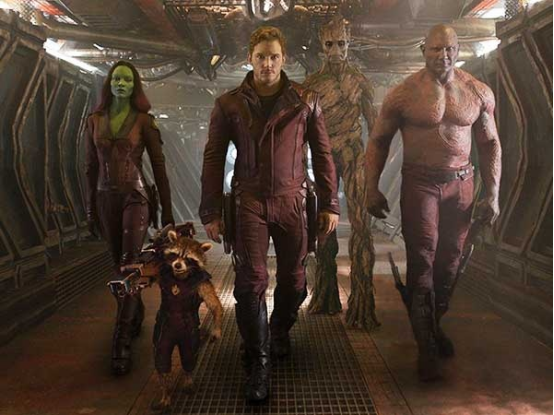
The Evolution of the Guardians: From Obscure Comics to Cinematic Titans
The trajectory of the Guardians of the Galaxy represents one of the most unprecedented success stories in modern entertainment. Before their explosive cinematic debut, this eccentric roster of intergalactic misfits existed merely on the fringes of comic book lore. Unlike household names such as Spider-Man or Superman, the Guardians were a relatively obscure property, making their adaptation a massive financial and creative gamble for the studio. However, this lack of mainstream preconceived notions provided a unique blank canvas for storytellers to completely deconstruct and rebuild the superhero archetype from the ground up.
In understanding this evolution, it is crucial to recognize how the narrative shifted from standard galactic policing to deeply character-driven odysseys. The original 1969 comic iteration featured a vastly different team operating in the 31st century. It was not until the 2008 comic reboot that the modern roster—consisting of Star-Lord, Gamora, Drax, Rocket, and Groot—was established. This specific grouping laid the foundational blueprint for a new kind of storytelling, one that prioritized internal conflict over external cosmic threats.
The Strategic Gamble of Obscurity
By utilizing characters unbound by decades of rigid public expectation, the creators were able to inject a distinctive, irreverent tone into the narrative. This strategic obscurity allowed for a seamless integration of comedy, tragedy, and science fiction without betraying legacy characterizations. The result was a refreshing cinematic experience that subverted audience expectations at every turn.
- Creative Liberty: Writers and directors possessed the freedom to alter backstories, modify power scales, and redefine character motivations without facing severe backlash from purist fanbases.
- Tonal Experimentation: The inherent absurdity of a talking raccoon and a sentient tree enabled the narrative to oscillate rapidly between slapstick humor and devastating emotional resonance.
- World-Building Expansion: Focusing on these cosmic drifters allowed the franchise to explore the bizarre, colorful, and dangerous corners of the universe, far removed from Earth-centric conflicts.

The Cosmic Trash Phenomenon: Why Flawed Outcasts Resonate Deeply
At the core of the Guardians’ immense popularity is the concept of the “Cosmic Trash” phenomenon. Traditional superheroes are often depicted as paragons of virtue—infallible gods, billionaire philanthropists, or supersoldiers driven by an unwavering moral compass. While these archetypes inspire awe, they often lack relatable human vulnerability. The Guardians, conversely, are introduced as thieves, thugs, assassins, and mercenaries. They are deeply flawed individuals operating at the bottom rungs of galactic society, driven initially by selfishness, greed, and spite.
This stark dichotomy is exactly why they resonate so profoundly with modern audiences. In an era where audiences are increasingly aware of systemic failures and personal psychological struggles, a team of broken, traumatized individuals trying to navigate a hostile universe feels infinitely more authentic than a flawless savior descending from the sky. They do not fight to uphold a grand, righteous ideal; they fight because they live in the universe and, as Star-Lord famously notes, they are “one of the idiots who lives in it.”
Deconstructing the Traditional Hero Archetype
The traditional hero acts out of a sense of duty or destiny. The Guardians act out of a desperate need for survival and, eventually, a reluctant sense of loyalty to one another. This shift from macro-morality to micro-empathy fundamentally alters audience engagement. We do not look up to the Guardians as aspirational deities; we look across at them as reflections of our own messy, imperfect lives.
| Narrative Element | Traditional Superheroes | The Guardians of the Galaxy |
|---|---|---|
| Core Motivation | Duty, honor, and the protection of the innocent. | Self-preservation, revenge, and eventual mutual loyalty. |
| Moral Alignment | Lawful Good; adherence to strict moral codes. | Chaotic Neutral; willing to break rules for the right reasons. |
| Origin of Power | Divine birthright, scientific enhancement, or immense wealth. | Trauma, illegal cybernetic modification, and survival instincts. |
| Team Dynamic | Professional, organized, and hierarchical. | Dysfunctional, emotionally volatile, and deeply familial. |

Psychological Deconstruction of the Core Roster
To truly understand the narrative weight of the Guardians, one must perform a deep psychological dissection of its core members. Each character serves as a masterclass in representing different facets of trauma, grief, and coping mechanisms. Their individual arcs are carefully constructed to intersect, creating a mosaic of shared pain that ultimately leads to collective healing.
What elevates the writing of these characters is the refusal to magically “cure” their psychological wounds. Instead, the narrative focuses on the management of trauma and the slow, often painful process of learning to trust others despite past betrayals. This psychological realism is masked beneath layers of vibrant cosmic action, making the emotional beats hit with unexpected ferocity.
Peter Quill (Star-Lord): Arrested Development and Evasion
Peter Quill is the quintessential manifestation of arrested development. Abducted from Earth immediately following the traumatic death of his mother, Quill’s psychological growth was stunted at adolescence. He uses humor, pop culture references, and a facade of intergalactic womanizing as defense mechanisms to avoid confronting his profound abandonment issues. His journey is one of accepting responsibility and moving past the selfish isolation of his youth.
Rocket Raccoon: Body Dysmorphia and Defensive Aggression
Perhaps the most tragic figure of the group, Rocket represents the horrors of non-consensual bodily modification and severe abuse. Torn apart and reassembled in a laboratory, he harbors deep-seated feelings of monstrosity and alienation. Rocket utilizes extreme aggression, sarcasm, and a push-everyone-away mentality to protect himself from the vulnerability of being loved—and inevitably abandoned—again.
Gamora and Nebula: The Cycle of Abuse
The dynamic between Gamora and Nebula provides a harrowing look at sibling rivalry engineered by a profoundly abusive parental figure. Raised by a galactic tyrant who forced them to fight for survival, their relationship is scarred by physical mutilation and psychological manipulation. Their overarching narrative is a poignant exploration of breaking the cycle of abuse, unlearning toxic survival traits, and slowly rebuilding familial trust.

The Found Family Trope and Shared Trauma Dynamics
The undeniable emotional anchor of the Guardians’ saga is the masterful execution of the Found Family trope. In contemporary storytelling, the concept of a chosen family—individuals who come together not by blood, but by mutual understanding and shared experiences—has gained massive cultural traction. For the Guardians, this trope is not just a narrative convenience; it is a vital survival mechanism.
Each member of the team enters the narrative as a profound isolate. They have been orphaned, exiled, or betrayed by their biological families or creators. When they collide, their initial interactions are hostile, driven by self-interest. However, it is the gradual recognition of their shared brokenness that binds them. They do not fix each other’s trauma; rather, they provide a safe, non-judgmental space where that trauma can exist without defining their entire worth.
The Mechanics of Healing Through Proximity
The narrative meticulously illustrates that healing is not a linear journey, nor is it achieved in isolation. The Guardians constantly bicker, make catastrophic mistakes, and occasionally regress into old, toxic habits. Yet, the underlying foundation of their found family is unconditional acceptance. When Drax mourns his lost wife and daughter, he finds solace in the quiet companionship of Mantis. When Rocket pushes everyone away in a self-destructive spiral, the team refuses to abandon him, breaking his preconceived notion that he is unlovable.
- Radical Acceptance: The team acknowledges each other’s darkest deeds (assassinations, thievery, violence) and chooses to focus on their capacity for future good rather than past sins.
- Redistribution of Burden: By sharing their individual grief, the psychological weight is distributed among the group, making it bearable for the individual.
- Redefining Purpose: Having lost their original purposes (families, planets, missions), they forge a new, collective purpose in protecting each other and, by extension, the galaxy.

The Role of Nostalgia and Audio-Visual Storytelling
A critical, often imitated but rarely duplicated, element of the Guardians’ phenomenal success is its revolutionary use of music and nostalgia. In a sprawling, alien universe filled with incomprehensible technology and bizarre species, the inclusion of 1970s and 1980s pop and rock music serves as a vital grounding mechanism. The Awesome Mix tapes are not merely a stylistic soundtrack; they are an active narrative device and the emotional tether connecting Peter Quill—and the audience—to Earth and his lost humanity.
This audio-visual storytelling technique masterfully juxtaposes the cold, infinite expanse of space with the warm, analog intimacy of a cassette tape. When a massive cosmic battle is set to the upbeat, familiar tunes of Fleetwood Mac or the Electric Light Orchestra, it creates a unique cognitive dissonance that is both exhilarating and deeply comforting.
Music as Emotional Currency
Within the narrative, music functions as a language of love and memory. Quill’s mother gifted him the tapes, making them a literal manifestation of her enduring love. As Quill slowly opens up to his new found family, he shares his music with them, effectively sharing pieces of his soul. When Gamora taps her foot to a rhythm for the first time, or when Rocket hums along to a melody, it signifies their gradual lowering of emotional defenses and their integration into the family unit.
Furthermore, the lyrical content of the selected songs often provides a metatextual commentary on the scenes they accompany, offering audiences a deeper, subconscious understanding of the characters’ internal states without relying on heavy-handed exposition.

Redefining the Modern Superhero Blueprint
The cumulative effect of these narrative, psychological, and stylistic choices is a fundamental redefinition of the modern superhero blueprint. The Guardians of the Galaxy proved that audiences do not require their protagonists to be morally pristine or overwhelmingly powerful to be compelling. Instead, they crave authenticity, vulnerability, and the messy reality of interpersonal relationships.
This paradigm shift has sent ripples throughout the entertainment industry, prompting a surge in stories focusing on anti-heroes, dysfunctional teams, and character-driven sci-fi. The legacy of the Guardians is the normalization of the “beautifully broken” protagonist. They demonstrated that heroism is not the absence of fear or flaws, but the willingness to stand beside the people you love and fight for them, even when you are terrified, grieving, and unsure of the outcome.
The Lasting Legacy of Cosmic Outcasts
Ultimately, the Guardians resonate because they offer a profound message of hope. If a group of selfish, traumatized, and socially discarded individuals can find redemption, purpose, and unconditional love among the stars, then perhaps there is hope for the flawed individuals watching them. They elevated the concept of “cosmic trash” into a badge of honor, proving that one’s past mistakes and deepest traumas do not dictate their capacity for future heroism.
Frequently Asked Questions (FAQ)
- Why are the Guardians of the Galaxy considered “Cosmic Trash”?
- The term “Cosmic Trash” refers to their initial status within the cinematic universe’s societal hierarchy. Unlike traditional, respected heroes, the Guardians start as outlaws, thieves, mercenaries, and assassins. They are considered expendable and morally bankrupt by the galactic authorities, making their eventual rise to heroism a compelling underdog story.
- How does the “Found Family” trope enhance the story?
- The “Found Family” trope provides the emotional core of the franchise. Because each character has suffered immense loss, abuse, or alienation from their biological families, their decision to choose each other creates a powerful narrative of unconditional acceptance. It shows that healing and belonging can be actively constructed, rather than merely inherited.
- What role does trauma play in character development?
- Trauma is the foundational building block for every core member of the Guardians. Peter’s childhood abduction, Rocket’s illegal experimentation, Drax’s loss of his family, and Gamora’s abusive upbringing dictate their initial selfish and defensive behaviors. The overarching plot of the series is less about defeating villains and more about these characters navigating and managing their shared PTSD.
- Why is the soundtrack so important to the Guardians’ narrative?
- The soundtrack, primarily consisting of 70s and 80s hits, serves as Peter Quill’s last remaining connection to his mother and his humanity. It grounds the bizarre, high-concept sci-fi setting with relatable, nostalgic earth culture. Furthermore, sharing this music becomes a method for Quill to teach his alien companions about love, grief, and emotional expression.
- How did the Guardians change the superhero genre?
- They proved that obscure, highly flawed, and morally ambiguous characters could carry a massive blockbuster franchise. By prioritizing comedy, deep psychological trauma, and interpersonal dysfunction over standard good-versus-evil tropes, they paved the way for more experimental, character-driven superhero narratives across the industry.