
The Origins: From Abandoned Symbiote to Cinematic Icon
The legacy of Venom is one of the most fascinating character arcs in comic book history, transitioning from a mere costume upgrade to a standalone cinematic powerhouse. To truly understand the gravity of Tom Hardy’s portrayal and the impending crossover events, one must first dissect the origins of this sticky, sentient liquid. Originally introduced as an alien costume during the legendary Secret Wars storyline, the symbiote bonded with Peter Parker, enhancing his abilities while subtly corrupting his morality.
When Spider-Man ultimately realized the parasitic nature of the suit, he famously abandoned it in a church bell tower. The sheer agony of this rejection defined the symbiote’s psychological profile, transforming it from a neutral alien entity into a scorned, vengeful predator. This abandonment is the foundational trauma that connects Venom to Spider-Man across all multiverses.
The Comic Book Roots: A Sticky Liquid Discarded
In the original Marvel lore, the symbiote’s rejection by Peter Parker directly led to its bonding with Eddie Brock, a disgraced journalist who blamed Spider-Man for his ruined career. The fusion of their mutual hatred birthed Venom. This narrative established a complex dynamic where the villain possessed all of the hero’s powers, negated his early-warning “Spider-Sense,” and operated with a terrifying, unhinged brutality.
- Psychological Symbiosis: The alien did not just provide a physical suit; it fed on Brock’s adrenaline and amplified his darkest emotional impulses.
- The Lethal Protector Era: Over time, Venom evolved from a pure antagonist into a violent vigilante. This shift is crucial, as it laid the groundwork for the anti-hero persona that modern film audiences have come to love.
- Biological Memory: Because the symbiote first bonded with Spider-Man, it retains a genetic imprint of his abilities, explaining Venom’s web-swinging mechanics and spider-like emblem in the comics.
Sony’s Universe: Redefining Eddie Brock and the Symbiote
When Sony Pictures launched its standalone Venom franchise starring Tom Hardy, it took a massive narrative gamble: removing Spider-Man from Venom’s origin story. Instead of a scorned ex-suit, the symbiote was introduced as part of an alien scouting party brought to Earth by the Life Foundation. This fundamental shift required a complete reimagining of Eddie Brock’s motivations. Without Spider-Man to hate, the dynamic between Eddie and the symbiote became a bizarre, darkly comedic buddy-cop relationship, focusing heavily on themes of mutual survival and finding purpose in being “losers” on their respective planets.

Tom Hardy’s Venom: A Unique Anti-Hero Experience
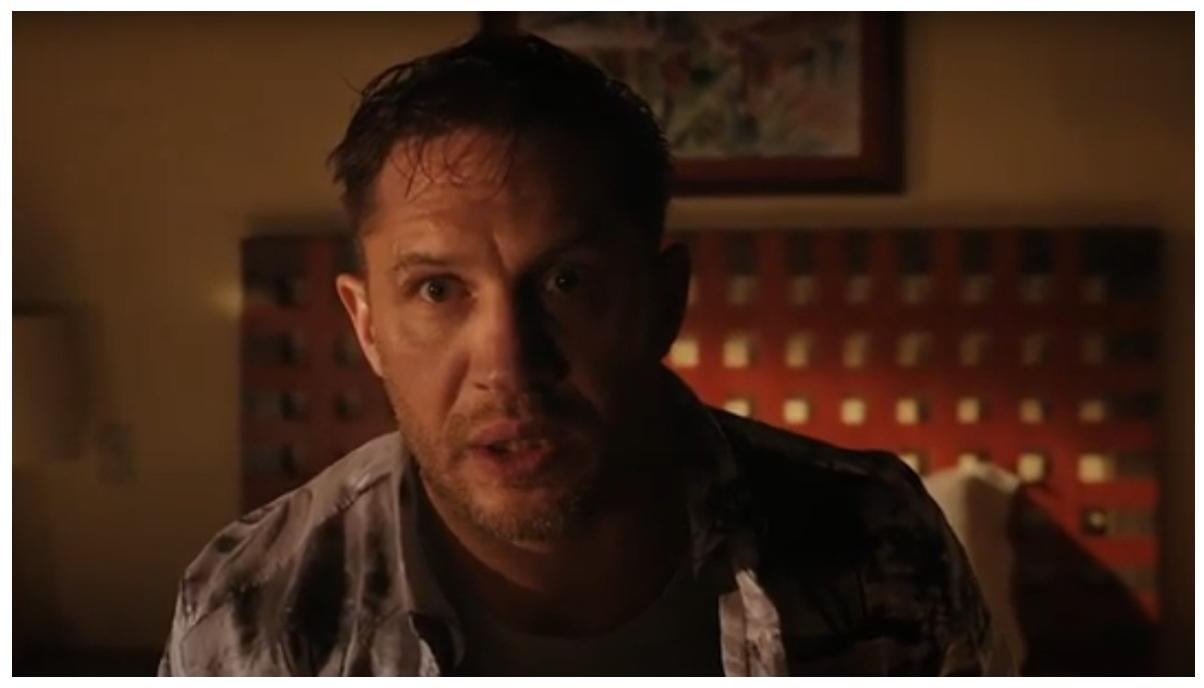
Tom Hardy’s interpretation of Eddie Brock and his alien alter-ego fundamentally altered the pop-culture perception of the character. Rather than playing Brock as a purely malicious villain, Hardy injected a frantic, neurotic energy into the role. His physical comedy, combined with the gruff, dominating voice of the symbiote (also provided by Hardy), created a duality that resonated massively with global audiences.
The Duality of Eddie Brock and Venom
The brilliance of Hardy’s performance lies in his ability to portray a man constantly at war with his own body. The symbiote acts as an aggressive, hungry id, while Brock desperately tries to maintain a semblance of ethical control. This internal tug-of-war is not just played for laughs; it represents a deep, metaphoric exploration of addiction and coexistence.
Fans and critics alike have praised the way Hardy commits to the physical exhaustion of hosting an alien parasite. Whether he is submerging himself in a lobster tank to satiate the symbiote’s ravenous hunger or arguing out loud with an invisible voice, Hardy’s commitment has cemented this version of Venom as the definitive live-action iteration.
Why Fans Hope Hardy’s Version Continues
Despite mixed critical reception to the early films, the undeniable box office success and overwhelming fan support have sparked intense hope that Tom Hardy’s version of Venom will continue indefinitely. The audience’s attachment stems from several key factors:
- Unmatched Charisma: Hardy brings an A-list gravitas to a character that could easily have devolved into a CGI spectacle.
- Character Growth: Across the franchise, Eddie and Venom have grown from reluctant roommates to genuinely caring partners, establishing a deeply emotional core.
- Unfinished Business: The tantalizing tease of the multiverse and the symbiote hive mind means there are decades of comic lore—including Knull, the God of Symbiotes—yet to be explored.

The Anticipated Showdown: Which Spider-Man Will Venom Fight?
The question that has dominated fan forums and pop culture discussions since 2018 is inevitable: When will Venom meet Spider-Man? Tom Hardy himself has been incredibly vocal about his desire to see this cinematic clash. The actor has frequently stated that he views a crossover as the ultimate culmination of Eddie Brock’s story arc. However, with the fracturing of the multiverse, the specific version of the web-slinger that Venom will face remains a fiercely debated topic.
Tom Hardy’s Specific Spider-Man Preferences
In various interviews, Tom Hardy has explained which version of Spider-Man he wants to fight, making it clear that he is aiming for the top tier of the Marvel Cinematic Universe (MCU). Hardy has expressed a profound respect for Tom Holland’s portrayal, noting that the youthful, highly moralistic nature of Holland’s Peter Parker would serve as the perfect foil to the chaotic, violent, and morally gray world of his Venom. The contrast between a polished Avenger and a gritty, street-level lethal protector provides a rich narrative goldmine.
Multiversal Possibilities: Tobey, Andrew, or Tom Holland?
Thanks to the events of recent multiversal films, the cinematic landscape is primed for virtually any crossover. Here is a breakdown of the potential Spider-Men that Hardy’s Venom could encounter, and the narrative implications of each:
| Spider-Man Actor | Narrative Potential | Likelihood & Logistical Viability |
|---|---|---|
| Tom Holland | The ultimate MCU crossover. Holland’s Peter Parker now exists in a gritty, isolated state, making him highly susceptible to the symbiote’s corrupting influence. | High. The post-credits scene of Spider-Man: No Way Home explicitly left a piece of Hardy’s symbiote in Holland’s universe. |
| Andrew Garfield | Garfield’s Spider-Man mentioned he “stopped pulling his punches.” A darker, more aggressive Spider-Man fighting Venom would be a brutal, emotionally charged spectacle. | Medium. Fans have actively campaigned for Garfield to become the designated Spider-Man of Sony’s standalone villain universe. |
| Tobey Maguire | Maguire already fought a version of Venom (Topher Grace). A rematch with Hardy’s vastly superior iteration would offer intense nostalgic value. | Low. Maguire’s narrative arc feels largely resolved, though multiversal cameos are never entirely off the table. |
Regardless of which actor dons the mask, the fundamental requirement for this showdown is a clash of ideologies. Venom’s willingness to consume his enemies stands in stark contrast to Spider-Man’s strict no-kill rule, promising a conflict that is as psychological as it is physical.

The Venom and Spider-Man Crossover Film Status
Industry insiders and fans alike were sent into a frenzy when Tom Hardy hinted that a Venom and Spider-Man crossover film is nearly complete in its conceptual and scripting phases. Navigating the complex web of studio rights has historically been the biggest barrier, but recent developments suggest that a historic cinematic event is closer than ever.
Is the Script Really “Nearly Complete”?
While “nearly complete” can be a subjective term in Hollywood, reports indicate that writers from both Sony and Marvel Studios have been collaborating to ensure narrative continuity. The challenge lies in merging the R-rated adjacent tone of the Venom films with the family-friendly, established continuity of the MCU. Drafts reportedly focus heavily on the symbiote hive mind—a concept introduced in Venom: Let There Be Carnage—which allows the alien to possess knowledge of Spider-Man across different universes, bridging the gap between Sony’s separated world and the MCU.
Logistical Challenges Between Sony and Marvel Studios
Producing this crossover is a legal and logistical tightrope walk. Sony Pictures owns the film rights to Spider-Man and his rogues’ gallery, while Disney’s Marvel Studios manages the creative direction of the MCU. A successful crossover requires a meticulous profit-sharing agreement, synchronized production schedules, and a unified creative vision. However, the unprecedented financial success of their previous collaborations proves that both studios are highly motivated to make this monumental clash a reality.

The Future of the Symbiote Universe
As the cinematic landscape braces for the inevitable collision between Eddie Brock and Peter Parker, the broader future of the symbiote universe remains incredibly bright. Tom Hardy’s foundational work has opened the door for an expansive interconnected web of characters that extends far beyond a single rivalry.
Expanding the Spider-Verse Without Spider-Man
Sony has aggressively expanded its roster of anti-heroes, introducing characters like Morbius, Kraven the Hunter, and Madame Web. Venom serves as the undisputed anchor for this cinematic universe. The future likely holds a “Sinister Six” or “Maximum Carnage” level event where Venom must either lead a team of anti-heroes or stand against them. The lore of the symbiotes is vast, encompassing offspring like Toxin, Sleeper, and the terrifying symbiote dragon Grendel.
What a Crossover Means for Marvel Phase 5 and 6
If the piece of the symbiote left behind in the MCU bonds with Tom Holland’s Spider-Man during the upcoming Secret Wars events, it will fundamentally alter the trajectory of Marvel’s Phase 5 and 6. We could witness the legendary “Black Suit Spider-Man” arc adapted with modern cinematic fidelity. This would not only pay homage to the comic book origins of the sticky liquid abandoned by Spider-Man but also set the stage for a dramatic, emotionally devastating confrontation when Tom Hardy’s Eddie Brock inevitably crosses the multiversal threshold to reclaim what is his.
Frequently Asked Questions (FAQ)
- Why does Venom hate Spider-Man in the comics?
- In the comics, the symbiote hates Spider-Man because Peter Parker violently rejected and abandoned it after discovering it was a sentient parasite. Eddie Brock, the human host, hates Spider-Man because he blames the hero for exposing his fraudulent journalism, which ruined his career. Their shared hatred for Peter Parker is what originally forged their powerful bond as Venom.
- Has Tom Hardy’s Venom met Spider-Man yet?
- Directly, no. However, in the post-credits scene of Venom: Let There Be Carnage, Eddie Brock is teleported to the MCU universe and sees Tom Holland’s Spider-Man on a television screen. In Spider-Man: No Way Home, Eddie is transported back to his own universe, but not before leaving a small piece of the Venom symbiote behind in the MCU.
- Which Spider-Man does Tom Hardy want to fight?
- Tom Hardy has expressed a strong desire to face off against Tom Holland’s Spider-Man. He believes that the contrast between Holland’s earnest, youthful hero and his own gritty, chaotic version of Eddie Brock would create the most compelling and entertaining cinematic conflict.
- Will the crossover movie be in the MCU or Sony’s Universe?
- While official details are still tightly under wraps, it is highly likely that the crossover will leverage multiverse mechanics to bridge both worlds. The lingering piece of symbiote in the MCU suggests that Tom Holland’s Spider-Man will deal with his own symbiote storyline, eventually drawing Tom Hardy’s Venom into a multiversal collision managed jointly by Sony and Marvel Studios.