
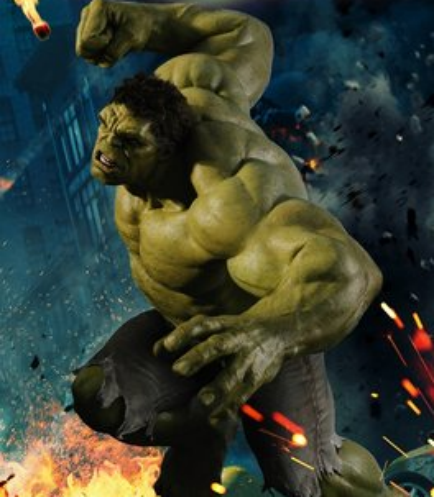
The Hulk is more than just a raging green monster; he is one of Marvel’s most complex and enduring characters. A unique blend of scientist Bruce Banner’s brilliant mind and the Hulk’s boundless rage, his journey has been marked by epic battles, moments of surprising depth, and an ever-evolving role within the Marvel Cinematic Universe (MCU). This guide provides an in-depth exploration of some of the Hulk’s most defining moments, from his unforgettable confrontation with Loki to lesser-known comic book scenes that reveal a different side to the character, and delves into the persistent rumors of a future World War Hulk project.
Understanding these key events is crucial to appreciating the full arc of the character. We will deconstruct the cultural impact of his most famous scenes, analyze the symbolism behind his actions, and examine the potential trajectory of his story based on both comic book lore and insider reports. This is a comprehensive look at the past, present, and future of the incredible Hulk.
The Unforgettable “Puny God” Moment: Hulk vs. Loki
Few scenes in the history of the MCU have achieved the legendary status of Hulk’s confrontation with Loki in The Avengers (2012). It was a moment that perfectly encapsulated the Hulk’s raw power and provided a deeply satisfying payoff for the audience, cementing the character as a fan favorite. The scene wasn’t just a display of brute force; it was a pivotal character moment for both the God of Mischief and the Green Goliath.
The Build-Up in Stark Tower
The confrontation takes place during the climax of the Battle of New York, inside the penthouse of Stark Tower. Loki, having been thwarted by the assembled Avengers, is cornered by the Hulk. Full of arrogance and hubris, Loki attempts to intimidate the creature before him. He launches into a classic villainous monologue, declaring, “I am a god, you dull creature, and I will not be bullied by…” Before he can finish his sentence, the Hulk seizes him by the legs and unleashes a brutal, rag-doll-like smashing sequence against the floor. The swift, unceremonious, and utterly dominating nature of the attack left audiences stunned and roaring with laughter.
Deconstructing the Confrontation and its Impact
The brilliance of the scene lies in its subversion of expectations. Throughout the film, Loki is portrayed as an eloquent, powerful, and almost untouchable threat. The Hulk, in contrast, is pure, unrestrained physical power. The confrontation strips away Loki’s divine pretense in the most direct way imaginable. The Hulk’s dismissive final line, “Puny god,” perfectly summarizes the encounter. It demonstrated that for all of Loki’s schemes and proclaimed divinity, he was no match for the Hulk’s untamable strength. This moment not only provided immense comic relief but also powerfully established the Hulk’s position in the MCU’s power hierarchy. It became an instant classic, endlessly referenced in memes, discussions, and subsequent Marvel projects.

Beyond the Rage: The Hulk’s Surprising Intellectual Side
While the Hulk is primarily known for his rage, the comics have often explored the intelligence that lies within, sometimes as Bruce Banner’s influence and other times as a facet of the Hulk persona itself. A fascinating and widely discussed example of this is a comic panel depicting the Hulk reading a book authored by none other than his future adversary, Thanos. This image provides a startling contrast to his typical portrayal and invites a deeper analysis of his character.
The Context of the Comic Panel
This specific moment comes from the comic series The Incredible Hulks #625. In the panel, the Hulk is seen sitting calmly, engrossed in a book titled “The Book of Thanos.” The scene is quiet and contemplative, a stark departure from his usual rampages. It suggests a capacity for focus, learning, and perhaps even an attempt to understand his enemies on an intellectual level. This isn’t just a simple gag; it’s a deliberate character choice by the writers to show that there is more to the Hulk than smashing.
Symbolism and Fan Interpretations
The act of the Hulk reading Thanos’s book is rich with symbolic meaning. It can be interpreted in several ways, each adding a layer of complexity to the character:
- Know Your Enemy: The most straightforward interpretation is that the Hulk is studying his opponent. This shows a strategic mind at work, recognizing that understanding Thanos’s philosophy and history is a key to defeating him.
- A Search for Understanding: It could also represent a deeper quest for self-awareness. By reading the works of another powerful being who struggles with their place in the universe, the Hulk might be seeking parallels to his own existence.
- The Duality of Hulk and Banner: This moment powerfully illustrates the internal conflict and synergy between Bruce Banner and the Hulk. It implies that Banner’s intellect is not entirely suppressed, but can influence the Hulk’s actions, leading to moments of surprising introspection.
This single panel challenges the simplistic view of the Hulk as a mindless beast and highlights the sophisticated storytelling potential that has always been present in his character.

The Future of the Green Goliath: World War Hulk
One of the most persistent and exciting rumors surrounding the Hulk’s future in the MCU is the potential adaptation of the iconic comic book storyline, “World War Hulk.” This saga represents the Hulk at his most powerful and vengeful, offering a narrative ripe with dramatic potential for a standalone film or a major event series. The groundwork for this storyline has seemingly been laid in recent MCU projects, fueling intense speculation among fans.
The Original “World War Hulk” Comic Saga Explained
The comic storyline is a direct sequel to “Planet Hulk.” In that precursor, a group of Earth’s most powerful heroes known as the Illuminati trick the Hulk into a spaceship and exile him to the planet Sakaar, deeming him too dangerous for Earth. There, he becomes a gladiator, a revolutionary, and eventually a king. However, the ship that brought him there explodes, killing his wife and unborn child. Blaming the Illuminati, a grief-stricken and unimaginably powerful Hulk returns to Earth with his allies, the Warbound, to exact his revenge. The resulting story is a dark and epic conflict where the Hulk systematically defeats nearly every hero on the planet, forcing them to answer for their actions.
MCU Rumors and Potential Adaptation
The MCU has already adapted elements of “Planet Hulk” in Thor: Ragnarok, but the core themes of betrayal and exile were significantly altered. However, recent developments, such as the introduction of Hulk’s son Skaar in She-Hulk: Attorney at Law, have reignited rumors that a World War Hulk project is actively in development. Insider reports and industry leaks have suggested that Marvel Studios is planning a movie that would tackle this storyline, potentially positioning the Hulk as a complex antagonist or anti-hero. It would be a chance to explore the darker, more rage-fueled side of the character that has been somewhat sidelined by the “Smart Hulk” persona. Mark Ruffalo has expressed enthusiasm for such a project, further validating the possibility.

Analyzing the Hulk’s Power and Vulnerability
The Hulk’s character is defined by the dichotomy of his immense power and his underlying vulnerability. While his physical strength is virtually limitless, his emotional and psychological state is often fragile, stemming from the trauma experienced by Bruce Banner. This duality is what makes him such a compelling figure, moving beyond a simple monster archetype into a tragic hero.
The Source of the Hulk’s Strength
The Hulk’s power level is famously tied to his emotional state. The angrier he gets, the stronger he becomes. This simple rule has profound implications. It means his strength has no theoretical upper limit. In storylines like World War Hulk, his rage is fueled by profound grief and a sense of betrayal, pushing his power to levels never seen before, allowing him to take on entire teams of superheroes single-handedly. This emotional source of power is unique among Marvel characters, making every fight a potential powder keg where the stakes can escalate infinitely.
Is the Hulk Truly Invincible?
Despite his incredible durability and regenerative healing factor, the Hulk is not completely invincible. He has shown vulnerability to several forces:
- Psychological Manipulation: Characters like Scarlet Witch have been able to manipulate his mind, turning his rage against his allies or forcing him back into his Banner form.
- Overwhelming Cosmic Power: Beings of immense cosmic power, such as Thanos wielding the Infinity Gauntlet, have been able to defeat him decisively. His initial encounter with Thanos in Avengers: Infinity War was a brutal lesson in this reality.
- Adamantium and Vibranium: While he can’t be easily harmed, weapons made from near-indestructible metals like Adamantium (in the case of Wolverine) or Vibranium can injure him.
Ultimately, his greatest vulnerability is internal. The constant struggle between the Hulk and Banner, the fear of the destruction he can cause, and the loneliness that comes with being a monster are the true burdens he carries, making him a deeply sympathetic and tragic character.
Frequently Asked Questions (FAQ)
- Q1: What is the “World War Hulk” storyline in the comics?
- “World War Hulk” is a major 2007 Marvel Comics event. It follows the Hulk’s return to Earth after being exiled to the planet Sakaar by a group of heroes called the Illuminati. Believing they are responsible for a tragedy that killed his family, Hulk, at his most powerful and enraged, seeks vengeance and wages war against Earth’s heroes, defeating many of them in his quest for justice.
- Q2: Why is the Hulk vs. Loki scene from The Avengers so iconic?
- The scene is iconic because it perfectly balances intense action with humor while powerfully establishing character dynamics. It subverts the trope of the eloquent villain’s monologue by having it cut short with overwhelming, almost comical, brute force. The line “Puny god” became a defining moment for the MCU’s Hulk and a fan-favorite quote that captured the essence of his power.
- Q3: Does the Hulk have Bruce Banner’s intelligence?
- It varies depending on the comic era and the specific Hulk persona. The classic “Savage Hulk” is typically childlike and instinct-driven. However, other versions, like the “Professor Hulk” or “Smart Hulk” seen in the MCU, fully merge Banner’s intellect with the Hulk’s strength. Even in his savage form, moments like reading Thanos’s book suggest that Banner’s intelligence can influence him, revealing a capacity for strategy and learning.
- Q4: Are there official plans for a World War Hulk movie in the MCU?
- While Marvel Studios has not officially announced a “World War Hulk” movie, there is strong evidence and widespread industry reporting suggesting one is in active development. The introduction of Hulk’s son, Skaar, and Mark Ruffalo’s public interest in the storyline are significant indicators. It is considered by many insiders to be a key part of the MCU’s future plans for the character.
- Q5: Who are the members of the Illuminati that exiled the Hulk?
- In the original comic storyline, the members of the Illuminati who voted to exile the Hulk were Iron Man, Doctor Strange, Mr. Fantastic, and Black Bolt. Namor was the sole dissenting vote, and Professor X was absent. The MCU introduced a version of the Illuminati on Earth-838 in Doctor Strange in the Multiverse of Madness, but the lineup was different, and it’s unclear who would form the group on the main Earth-616 timeline.