
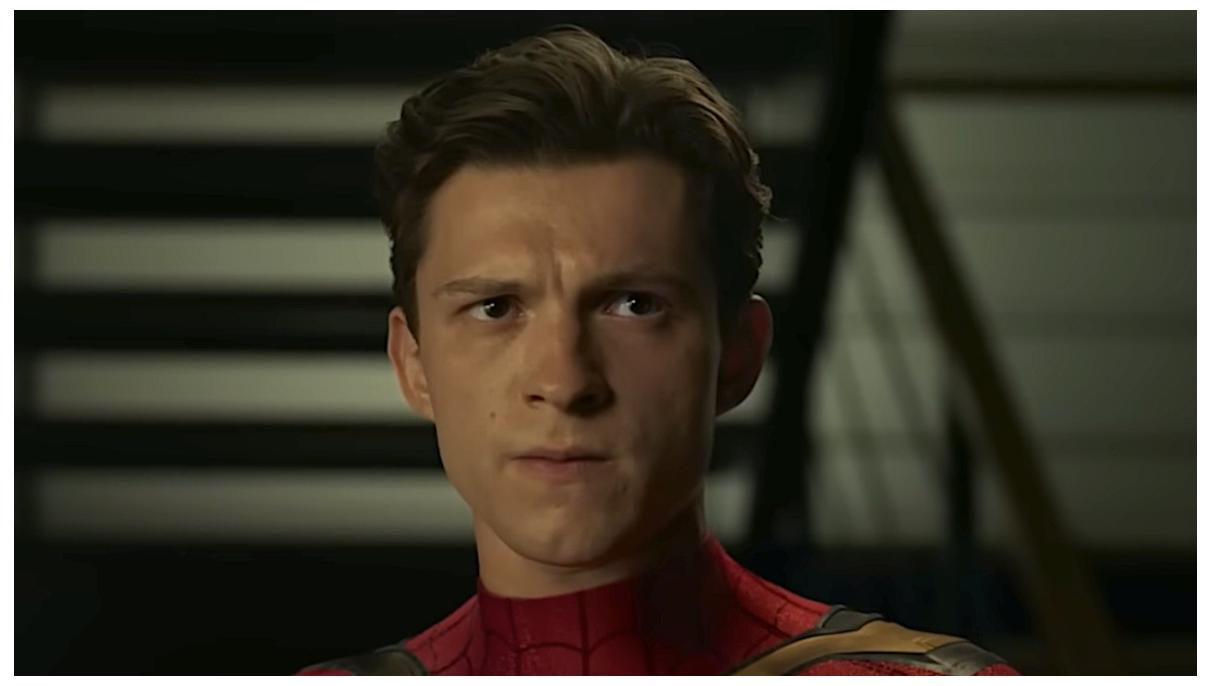
The Dawn of a New Era: MCU Spider-Man 4 and A Fresh Day
The Marvel Cinematic Universe is preparing for a monumental shift as Tom Holland’s Peter Parker enters a completely uncharted chapter. Following the devastating, universe-altering events of Spider-Man: No Way Home, the world has forgotten Peter Parker’s existence. This narrative reset provides a pristine canvas for the upcoming Spider-Man 4. Recent industry rumblings and production grids suggest that the film, operating under the working title “A Fresh Day,” is officially set to begin filming. This working title perfectly encapsulates the thematic core of the upcoming movie: a stripped-down, back-to-basics approach to the friendly neighborhood superhero.
Filming for such a massive blockbuster requires rigorous scheduling, especially considering the interconnected nature of the MCU. The commencement of principal photography for “A Fresh Day” marks the end of a long period of speculation. Fans have been eagerly awaiting confirmation on how Marvel Studios and Sony Pictures plan to balance the grounded, street-level vigilantism that defined Spider-Man’s comic book origins with the high-stakes, multiverse-spanning adventures he recently survived. The physical production is expected to utilize a mix of practical New York City location shoots and state-of-the-art soundstages, ensuring that the gritty reality of Peter’s new solitary life is captured with authentic visual fidelity.
The Significance of the Working Title
Working titles in major franchise filmmaking often serve as subtle thematic clues rather than mere logistical placeholders. “A Fresh Day” signifies more than just a new production schedule; it represents Peter Parker’s emotional and physical rebirth. Stripped of Stark tech, Avengers backing, and his closest friends, Peter must navigate his dual identity using only his intellect, a sewing machine, and a police scanner. This transition forces the narrative to focus heavily on character-driven storytelling, emphasizing the sheer resilience required to be Spider-Man when the safety nets are entirely removed.
- Grounded Storytelling: The removal of high-tech suits means a return to classic, physical web-swinging and hand-to-hand combat choreography.
- Character Isolation: Peter’s anonymity forces him to forge new alliances, potentially introducing classic supporting characters from the comics who have yet to appear in the MCU.
- Thematic Maturity: The tone is expected to shift towards a more mature, dramatic exploration of sacrifice and duty, aligning closely with the “A Fresh Day” motif of starting over from scratch.

Producer Insights: Revealing the Core Content of Spider-Man 4
The creative direction of any major superhero film is heavily guarded, but recent revelations from the producers of Spider-Man 4 have provided unprecedented insight into the film’s core content. Marvel Studios’ Kevin Feige and Sony’s Amy Pascal have consistently emphasized that the next trilogy must not simply repeat the narrative beats of the high-school era. Instead, the producers have revealed that the film will dive deep into the dichotomy of Peter Parker’s existence, exploring the heavy toll that the Spider-Man persona takes on his civilian life. These insights confirm that the upcoming installment will lean heavily into the “street-level” corner of the Marvel Cinematic Universe.
By shifting the focus away from cosmic threats and multiverse incursions, the producers are actively curating an environment where Spider-Man can interact with the gritty underbelly of New York City. This strategic pivot opens the door for highly anticipated crossovers with other street-level heroes and villains. The producers have hinted at a narrative structure that prioritizes detective work, localized crime syndicates, and the moral ambiguities of vigilantism. This approach not only refreshes the franchise but also grounds the spectacular action sequences in deeply personal, emotionally resonant stakes.
Integrating the Street-Level MCU
The revelations regarding the film’s content suggest a seamless integration with the broader, darker narrative threads currently being woven into the MCU’s television and film projects. The producers are acutely aware of fan desires to see Spider-Man operating in the same shadows as characters like Daredevil and the Punisher. This integration requires a delicate balancing act in the scriptwriting phase, ensuring that Spider-Man remains the definitive focal point while enriching his world with established, complex characters.
- Kingpin’s Shadow: With Wilson Fisk rising to power in the MCU, producers have teased that his influence will be a major catalyst for the events in Spider-Man 4, creating a formidable, politically insulated adversary.
- The Symbiote Question: Producers have also acknowledged the lingering piece of the Venom symbiote left behind in No Way Home, suggesting that its corrupting influence will play a critical role in testing Peter’s newly established moral boundaries.
- New Romantic Dynamics: Moving away from the established MJ relationship, the narrative will explore new romantic interests, such as Felicia Hardy (Black Cat), to further complicate Peter’s vigilante lifestyle.

The Heartbreaking Reality: Beyond the Spider-Verse Delayed Again
While the live-action front is moving forward with renewed momentum, the animated realm has faced significant turbulence. Spider-Man: Beyond the Spider-Verse, the highly anticipated conclusion to the groundbreaking animated trilogy, has been officially delayed again. Originally slated for a March 2024 release, the film was abruptly pulled from Sony’s release calendar. This delay, while frustrating for a global fanbase left hanging on a massive cliffhanger, is rooted in the complex, labor-intensive realities of modern animation production and the broader systemic issues within the entertainment industry.
The decision to delay the film indefinitely was not made lightly. The preceding film, Across the Spider-Verse, pushed the boundaries of visual storytelling, employing thousands of animators to create distinct, bespoke art styles for multiple dimensions. However, this artistic triumph came at a significant human cost, with reports of gruelling crunches and unsustainable working conditions. The subsequent industry-wide strikes by writers and actors further compounded the production bottleneck, halting voice recording sessions and script finalizations. This multifaceted delay underscores the fragility of producing revolutionary animated content on tight corporate deadlines.
Understanding the Production Bottlenecks
The delay of Beyond the Spider-Verse is a fascinating case study in the intersection of artistic ambition and logistical reality. Unlike traditional 3D animation pipelines, the Spider-Verse films utilize a proprietary blend of CGI and 2D hand-drawn techniques, requiring intense, frame-by-frame manipulation. When the Hollywood strikes occurred, it wasn’t just the voice actors who had to step away; the entire iterative process of matching animation to vocal performances and script revisions came to a grinding halt.
Furthermore, the creative team, led by Phil Lord and Christopher Miller, is known for their highly iterative process, often rewriting and re-storyboarding entire sequences late into production to ensure maximum emotional impact. While this methodology results in critically acclaimed masterpieces, it is inherently incompatible with rigid release schedules. The delay is, therefore, a necessary recalibration to protect the physical and mental well-being of the animation teams while preserving the uncompromising quality of the final product.

Targeting Perfection: Beyond the Spider-Verse Set for 2027 Release
Out of the ashes of the indefinite delay comes a new, more realistic horizon: Spider-Man: Beyond the Spider-Verse is now reportedly set for a 2027 release. This extended timeline, spanning several years from its predecessor, represents a massive paradigm shift in franchise management. By committing to a 2027 window, Sony Pictures Animation is prioritizing the integrity of the film’s conclusion over immediate financial returns. This extended runway provides the creative teams with the necessary breathing room to meticulously craft the ultimate resolution to Miles Morales’ multiverse-spanning journey.
A 2027 release date allows the studio to implement a healthier, more sustainable animation pipeline. It ensures that the hundreds of artists, riggers, and compositors working on the film can execute the incredibly demanding visual styles—from the watercolor bleeds of Gwen Stacy’s universe to the chaotic, punk-rock aesthetics of Hobie Brown’s world—without the looming threat of extreme crunch culture. This elongated production phase also allows for the seamless integration of complex narrative threads, ensuring that the myriad of Spider-People introduced in the previous film are given satisfying character arcs.
The Stakes of the 2027 Finale
The three-year gap leading up to 2027 will undoubtedly build unprecedented anticipation. The filmmakers are tasked with untangling a massive narrative web: Miles Morales is trapped in an alternate dimension with a villainous version of himself, his father is fated to die to preserve the canonical timeline, and Miguel O’Hara is leading a multidimensional strike force against him. Resolving these monumental conflicts requires absolute precision in pacing, voice acting, and visual execution.
- Visual Innovation: The 2027 timeline allows the R&D departments to develop entirely new rendering techniques, ensuring that the finale visually surpasses the already staggering achievements of the first two films.
- Narrative Cohesion: Writers have the time to rigorously test the script, ensuring that the emotional core of Miles’ relationship with his family isn’t lost amidst the multiverse spectacle.
- Musical Integration: Daniel Pemberton’s iconic score can be developed in tandem with the animation, allowing for a deeply symbiotic relationship between the audio and visual elements of the climax.

Analyzing the Production Timelines: Live-Action vs. Animation
The simultaneous development of MCU’s Spider-Man 4 and the animated Beyond the Spider-Verse provides a unique opportunity to analyze the contrasting production methodologies within the modern blockbuster landscape. Live-action superhero filmmaking and cutting-edge animated features operate on fundamentally different timelines, each with its own set of logistical hurdles, financial considerations, and creative workflows. Understanding these differences is crucial to grasping why “A Fresh Day” is gearing up for filming while the animated finale is pushed to 2027.
Live-action productions, such as Spider-Man 4, are heavily front-loaded. They require massive pre-production efforts to secure physical locations, build elaborate practical sets, and coordinate the schedules of highly sought-after A-list actors. Once principal photography begins, the actual shooting period is relatively condensed, typically lasting three to four months. The bulk of the remaining time is dedicated to post-production, where visual effects vendors implement the CGI elements. In contrast, an animated film like Beyond the Spider-Verse is in a constant state of concurrent pre-production, production, and post-production. The script, storyboards, and final renders are fluid, evolving simultaneously over a span of several years.
A Comparative Breakdown of Spider-Man Productions
To fully comprehend the scale and pacing of these two distinct Spider-Man projects, we must look at the specific phases of their development cycles. The table below illustrates the generalized differences in how Sony and Marvel approach these monumental tasks.
| Production Phase | MCU Spider-Man 4 (Live-Action) | Beyond the Spider-Verse (Animation) |
|---|---|---|
| Pre-Production | Script finalization, intensive casting, physical set construction, and stunt choreography planning. | Visual development, character design, storyboarding, and preliminary voice recordings. |
| Principal Production | 3-4 months of intense on-set filming with actors, practical effects, and camera crews. | Years of iterative animation, rigging, lighting, and continuous script revisions based on animatics. |
| Post-Production | VFX integration, color grading, editing, and final sound mixing over 8-12 months. | Final rendering, composite tweaking, and score synchronization, often overlapping with production. |
| Flexibility | Low. Reshoots are expensive and difficult to schedule due to actor availability. | High. Scenes can be entirely reworked, but it demands massive labor hours from the animation team. |

The Evolution of Peter Parker and Miles Morales
At the heart of both of these delayed and highly anticipated projects are two distinct, yet fundamentally connected, iterations of the Spider-Man mythos. Tom Holland’s Peter Parker and Shameik Moore’s Miles Morales have both undergone radical character evolutions since their respective introductions. As we look toward Spider-Man 4 and Beyond the Spider-Verse, it becomes evident that both heroes are being pushed toward their absolute psychological and physical limits, forcing them to redefine what it means to wear the mask.
For Peter Parker, the upcoming live-action film represents a journey into profound isolation. He has made the ultimate sacrifice, erasing his identity to save the multiverse, leaving him entirely bereft of his support system. This evolution strips away the “Iron Boy Jr.” criticisms of his early MCU appearances, forcing him into a space of absolute self-reliance. Conversely, Miles Morales is dealing with the overwhelming burden of destiny and canonical fatalism. His evolution is centered around rebellion against a predetermined path, challenging the very structural foundations of the Spider-Verse to forge his own unique destiny.
Diverging Paths, Shared Burdens
While their circumstances are vastly different, the core thematic exploration of both characters remains rooted in the classic Spider-Man ethos: “With great power, there must also come great responsibility.” However, the application of this mantra is diverging in fascinating ways across the two mediums.
- Peter’s Burden of Anonymity: Peter must learn to find fulfillment in saving a world that doesn’t even know he exists, testing his altruism in the face of absolute loneliness.
- Miles’ Burden of Defiance: Miles must balance his desire to save his father with the catastrophic threat of unraveling the multiverse, testing his moral compass against the cold logic of the Spider-Society.
- The Ultimate Test of Character: Both narratives are meticulously designed to break their respective heroes down to their core components, ensuring that when they inevitably rise, their triumphs are earned through immense hardship and personal growth.

What These Delays Mean for the Broader Marvel Universe
The shifting timelines of the Spider-Man franchise do not exist in a vacuum; they send massive ripple effects throughout the entirety of the Marvel Cinematic Universe and Sony’s Universe of Marvel Characters. Spider-Man is undeniably the crown jewel of Marvel’s IP portfolio, and his release schedule dictates the strategic positioning of numerous other films and television series. The delay of Beyond the Spider-Verse to 2027 and the impending filming of Spider-Man 4 force both studios to continuously recalibrate their overarching narrative phases and box office strategies.
For the MCU, Spider-Man 4 serves as a critical bridge. Following the mixed reception of recent Multiverse Saga entries, a grounded, critically acclaimed Spider-Man film is essential for stabilizing the franchise’s momentum leading into the next Avengers crossover events. If Spider-Man 4 is positioned as a street-level anchor, it perfectly sets the stage for the upcoming Daredevil: Born Again series and the broader reorganization of New York’s vigilante hierarchy. Meanwhile, Sony must navigate the 2027 delay of their animated flagship by relying on live-action spin-offs like Kraven the Hunter and Venom: The Last Dance to maintain brand visibility and audience engagement.
Strategic Recalibrations in the Multiverse Saga
The intricate dance between Sony and Marvel Studios requires constant communication to ensure that the delayed timelines do not result in narrative contradictions. The push to 2027 for the animated film, in particular, means that the climax of the Spider-Verse may now coincide with the climax of the MCU’s Multiverse Saga (Avengers: Secret Wars).
This potential alignment raises thrilling possibilities for unprecedented cross-studio synergy. If the multiversal rules established in Beyond the Spider-Verse align with the incursions happening in the live-action MCU, the delayed release could actually serve as a massive strategic advantage, culminating in a unified cultural event that transcends the boundaries of animation and live-action filmmaking.

Anticipation and Fan Expectations for the Spider-Man Franchise
As the dust settles on the announcements of filming dates and multi-year delays, the global anticipation for the future of the Spider-Man franchise has reached a fever pitch. Fan expectations are a double-edged sword for studios; they drive massive box office presales and social media engagement, but they also create an almost insurmountable bar for critical success. The overwhelming triumph of both No Way Home and Across the Spider-Verse has conditioned audiences to expect nothing less than cinematic perfection, emotional devastation, and groundbreaking spectacle from the Spider-Man brand.
Managing these expectations is the primary challenge for the marketing departments at Sony and Marvel. For Spider-Man 4, the marketing must carefully pivot the audience away from expecting another nostalgia-fueled multiverse crossover, instead selling the appeal of a gritty, character-driven crime thriller. For Beyond the Spider-Verse, the marketing team must sustain hype over a grueling three-year period, utilizing strategic drops of concept art, teaser trailers, and tie-in merchandise to keep the 2027 release date firmly planted in the public consciousness without inducing franchise fatigue.
The Cultural Impact of Spider-Man’s Next Steps
Ultimately, the success of these two films will define the legacy of superhero cinema for the latter half of the decade. Spider-Man remains the most relatable, enduring character in the comic book pantheon because his struggles—balancing work, family, morality, and identity—mirror the human experience. Whether it is Tom Holland swinging through a snow-covered, lonely New York City, or Shameik Moore defying the mathematical probability of the multiverse to save his father, the emotional core of these stories is what guarantees their cultural endurance.
The road to Spider-Man 4 and Beyond the Spider-Verse is undeniably fraught with production hurdles, industry strikes, and immense logistical complexities. However, if the producers, directors, and animators are granted the time and resources they need—as evidenced by the 2027 delay and the careful pre-production of “A Fresh Day”—the final products are poised to be masterful additions to the greatest superhero mythology ever put to film.
Frequently Asked Questions (FAQ)
- Is Tom Holland officially returning for Spider-Man 4?
- Yes, Tom Holland is confirmed to return as Peter Parker in the MCU’s Spider-Man 4. The film, reportedly operating under the working title “A Fresh Day,” will explore his life after the events of No Way Home, where the world has forgotten his identity.
- Why was Spider-Man: Beyond the Spider-Verse delayed to 2027?
- The film was delayed primarily due to the immense labor required to produce its groundbreaking animation, compounded by the recent Hollywood writers’ and actors’ strikes. Pushing the release to 2027 allows the studio to ensure high-quality output while providing animators with sustainable working conditions.
- Will Spider-Man 4 feature multiverse characters again?
- Based on producer insights from Kevin Feige and Amy Pascal, Spider-Man 4 will pivot away from the multiverse. The film is expected to focus heavily on grounded, “street-level” storytelling, pitting Peter Parker against localized crime syndicates in New York City.
- What does the working title “A Fresh Day” mean for the MCU?
- The working title “A Fresh Day” is a thematic nod to Peter Parker’s new beginning. Stripped of his Stark technology and his friends’ memories, Peter is starting over completely from scratch, emphasizing a back-to-basics approach to his superhero career.
- Will Miles Morales appear in the live-action MCU? Independent commentary note: This article is fan-focused comic, superhero, film, or character analysis. It is independent editorial commentary, not official, licensed, sponsored, endorsed, or authorized material from any publisher, studio, platform, actor, estate, brand, or rights holder.