
The Dawn of the Modern Superhero Movie: The Sam Raimi Era
When discussing the modern superhero cinematic landscape, it is impossible to overstate the foundational importance of the original Spider-Man trilogy directed by Sam Raimi. Launching in 2002, this series did more than just bring a beloved comic book character to life; it proved the financial and cultural viability of the superhero genre. Starring Tobey Maguire as Peter Parker, these films captured the earnest, working-class struggle of a young man burdened by extraordinary power.
Technical Analysis: Organic vs. Mechanical Web-Shooters
One of the most debated deviations from the source material in the Raimi films was the introduction of organic web-shooters. In the comics, Peter Parker’s genius is highlighted by his invention of mechanical web-shooters. However, Raimi opted for a biological mutation to emphasize the physical transformation and the metaphor of puberty. This underlying principle grounded the character’s physical evolution, making the transition into a superhero feel deeply personal and visceral.

The Amazing Spider-Man Reboot: A Grittier Take
Just five years after the conclusion of the Raimi trilogy, Sony Pictures initiated a reboot with The Amazing Spider-Man (2012), starring Andrew Garfield. This iteration aimed for a slightly darker, more grounded tone heavily influenced by the success of contemporary gritty superhero films. Garfield’s portrayal brought a modern, angsty edge to Peter Parker, while heavily emphasizing the unresolved mystery of his parents’ disappearance.
The Underlying Principles of the Reboot Strategy
Why did Sony reboot the franchise so quickly? The answer lies in complex intellectual property laws. Sony holds the cinematic rights to Spider-Man, but a core stipulation requires them to actively produce films within a specific timeframe; otherwise, the rights revert to Marvel. Beyond legal obligations, the reboot allowed filmmakers to explore storylines untouched by Raimi, most notably the tragic, emotionally devastating arc of Gwen Stacy, which remains one of the most highly praised elements of the Garfield era.
The Marvel Cinematic Universe Integration: Tom Holland
In an unprecedented move for the film industry, Sony Pictures and Marvel Studios struck a collaborative deal in 2015 to share the Spider-Man character. This allowed Tom Holland’s Peter Parker to debut in Captain America: Civil War before leading his own solo films. This era fundamentally shifted the character’s dynamic, placing him in a broader universe of established heroes and positioning Tony Stark as a central mentor figure.
Strategic Insights: The Sony-Marvel Partnership
The strategic brilliance of this partnership cannot be understated. Marvel Studios gained access to their most iconic comic book character, enriching their cinematic universe, while Sony benefited from the massive box office draw of the MCU halo effect. Holland’s trilogy masterfully handled the coming-of-age trope, culminating in a storyline that stripped away his high-tech support system, returning him to his friendly neighborhood roots.
The Multiverse Phenomenon: Animated and Live-Action Convergence
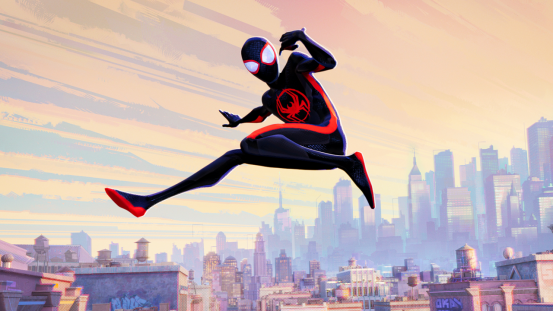
The concept of the Spider-Man franchise expanded exponentially with the release of the animated masterpiece Spider-Man: Into the Spider-Verse and the live-action blockbuster Spider-Man: No Way Home. These films utilized the concept of alternate realities to honor the legacy of all previous iterations, bringing together different versions of the character on a single screen.
Defining the “Multiverse” Concept in Cinema
In cinematic terms, the “Multiverse” is a narrative framework that posits the existence of infinite parallel universes, each containing varying iterations of reality. For the Spider-Man series, this wasn’t just a sci-fi plot device; it was a metatextual tool used to validate every past film franchise. It allowed audiences to experience nostalgia while simultaneously pushing the boundaries of what a crossover event could achieve.
Comparing the Live-Action Spider-Men
Every actor brought a unique set of strengths to the role of Peter Parker. Understanding these differences helps fans appreciate the distinct flavors of each cinematic era.
| Actor | Tenure | Defining Trait | Web-Shooter Type |
|---|---|---|---|
| Tobey Maguire | 2002 – 2007 | Earnestness and classic comic struggle | Organic |
| Andrew Garfield | 2012 – 2014 | Emotional depth and scientific intellect | Mechanical |
| Tom Holland | 2016 – Present | Youthful exuberance and MCU connectivity | Mechanical (Stark Tech) |
Pro Tips and Expert Advice: The Ultimate Viewing Checklist
If you are planning a massive marathon of the Spider-Man film series, following a structured viewing order can deeply enhance your understanding of the character’s cinematic evolution. Here is an expert checklist for the optimal viewing experience:
- Start with the Sam Raimi Trilogy (Spider-Man 1, 2, and 3) to understand the foundation of the modern superhero blockbuster.
- Watch The Amazing Spider-Man 1 and 2 to experience the character’s darker, more romantic cinematic reboot.
- Transition to the MCU by watching Captain America: Civil War, followed by Spider-Man: Homecoming.
- Do not skip Avengers: Infinity War and Avengers: Endgame, as they are crucial to Peter Parker’s emotional arc.
- Conclude the live-action run with Far From Home and No Way Home to see the ultimate culmination of all three live-action franchises.
- Treat the animated Spider-Verse films as a stunning visual dessert that celebrates the entire mythos.
Frequently Asked Questions (FAQ)
- Why did Sony reboot Spider-Man instead of making Spider-Man 4?
- Sam Raimi was originally slated to direct Spider-Man 4, but due to creative differences, script issues, and a tight studio deadline, Raimi departed the project. Sony chose to reboot the franchise to retain the cinematic rights and start fresh with a new creative vision.
- Are the Venom and Morbius movies part of the MCU Spider-Man universe?
- No. Venom, Morbius, and Kraven the Hunter are part of Sony’s Spider-Man Universe (SSU). While there are minor multiverse crossovers, they operate in a separate continuity from Tom Holland’s MCU Spider-Man.
- What makes the Spider-Verse animation style so unique?
- The filmmakers combined 3D computer animation with 2D comic book techniques, such as halftones, line work, and variable frame rates (animating on twos), to make the movie look like a living, breathing comic book.
- Will Tom Holland return for a fourth Spider-Man movie?
- Yes, Marvel Studios and Sony Pictures have confirmed that a fourth Spider-Man film starring Tom Holland is in active development, which will explore his life as a more independent, street-level hero.