
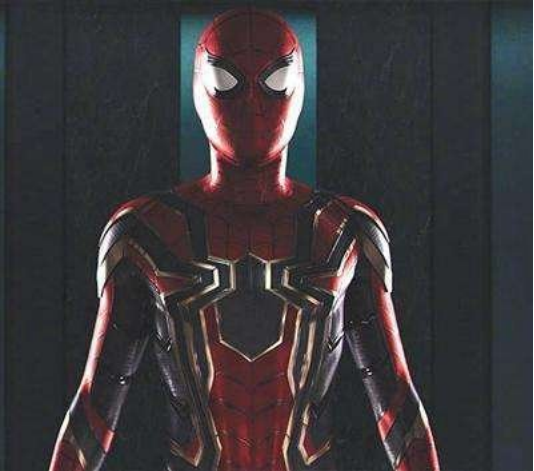
The Cinematic Dawn of Spider-Man: Tobey Maguire’s Era
The early 2000s marked a monumental paradigm shift for superhero cinema, spearheaded by director Sam Raimi and actor Tobey Maguire. This first generation of Spider-Man brought the character to the silver screen with an unprecedented level of emotional depth and grounded realism. Unlike later iterations that relied heavily on external gadgets and billionaire-funded technology, Maguire’s Peter Parker was defined by his biological mutations. The decision to equip this version of Spider-Man with organic web-shooters was highly controversial at the time but ultimately served to emphasize the physical and biological transformation Peter underwent after the radioactive spider bite.
Organic Webbing and Biomechanical Adaptation
In this era, the technology was internal rather than external. The organic web-shooters removed the need for Peter to manufacture synthetic web fluid, framing his abilities as a natural, albeit terrifying, evolution of his human physiology. This narrative choice allowed the films to explore themes of puberty, physical maturation, and the psychological burden of inherent power without the distraction of scientific exposition.
- Biological Web Generation: Glands in Peter’s forearms produced a high-tensile organic silk that responded to his subconscious and emotional states, famously failing when he experienced a crisis of confidence in Spider-Man 2.
- Micro-Hairs for Wall-Crawling: The films visually depicted microscopic, razor-sharp hairs extending from Peter’s fingertips, providing a pseudo-scientific explanation for his ability to cling to sheer surfaces.
- Enhanced Durability: This iteration showcased immense raw physical strength and durability, stopping a runaway train through sheer muscular force rather than relying on advanced suit dampeners.

The Amazing Era: Andrew Garfield’s Technological Shift
When the franchise was rebooted with director Marc Webb and star Andrew Garfield, the narrative pivot shifted heavily toward Peter Parker’s identity as a scientific prodigy. The “Amazing Spider-Man” series reintroduced the mechanical web-shooters, aligning the cinematic universe more closely with the original Stan Lee and Steve Ditko comic books. This era emphasized DIY engineering, showcasing a Peter Parker who had to actively invent, test, and refine his crime-fighting arsenal using repurposed Oscorp technology and his own sheer intellect.
The Birth of Mechanical Web-Shooters
Garfield’s era brought “black technology” into the hands of a high school student. The mechanical web-shooters were marvels of miniaturization, featuring custom-machined nozzles, high-pressure fluid cartridges, and watch-gear mechanisms repurposed for rapid deployment. This technological shift fundamentally changed how Spider-Man operated in combat, introducing the risk of running out of web fluid—a tactical vulnerability that added tension to his cinematic battles.
- Oscorp Biocable Integration: Peter utilized Oscorp’s proprietary genetically engineered spider silk, demonstrating his ability to identify and weaponize existing cutting-edge corporate technology.
- Flashing Sensor Interfaces: The web-shooters featured red LED warning lights that indicated fluid levels, a practical design choice that underscored the homemade, prototype nature of his gear.
- Conductive Webbing Modifications: In his battle against Electro, Peter demonstrated his engineering prowess by modifying his web-shooters to magnetize and ground electrical currents, proving that his intellect was his greatest superpower.

The Marvel Cinematic Universe: Tom Holland’s Integration
The introduction of Tom Holland’s Spider-Man into the Marvel Cinematic Universe (MCU) represented the most radical technological leap in the character’s cinematic history. Under the mentorship of Tony Stark, Peter Parker’s arsenal evolved from dumpster-dived goggles to billion-dollar “black technology.” This era explored the intersection of a street-level hero grappling with Avengers-level hardware, creating a narrative tension between Peter’s reliance on the suit and his intrinsic worth as a hero.
The Stark Tech Paradigm
The MCU Spider-Man is defined by his access to Stark Industries’ limitless resources. The technology featured in these films transcends simple crime-fighting tools, bordering on militarized espionage equipment. The integration of artificial intelligence, nanotechnology, and orbital defense systems fundamentally altered the scale of Spider-Man’s cinematic capabilities, pushing the boundaries of what a “friendly neighborhood” hero could achieve.
- Karen (Suit AI): An onboard artificial intelligence that provided tactical analysis, facial recognition, and real-time environmental scanning, essentially acting as Peter’s co-pilot in combat.
- Expressive Lenses: Moving beyond simple fabric, the MCU suit featured mechanical shutter lenses that dilated and contracted, helping Peter filter external stimuli while allowing the audience to read his facial expressions through the mask.
- Web-Wings (Glider Functionality): A nod to the classic Steve Ditko designs, these deployable underarm webs allowed for aerodynamic gliding, drastically increasing his mobility in environments lacking tall structures.

Evolution of the Spider-Suit: From Spandex to Nanotech
The visual evolution of the Spider-Man suit across three generations is a masterclass in cinematic costume design. Each iteration reflects the specific tone, technological baseline, and narrative focus of its respective universe. What began as a seemingly simple spandex costume has evolved into a complex, multi-layered armor system, reflecting the escalating threats the character faces on the silver screen.
Deconstructing the Three Generational Suits
Tobey Maguire’s suit, designed by James Acheson, was characterized by its raised, three-dimensional silver webbing and aggressive, angular eye lenses. It was a suit that looked cinematic and robust, hiding muscle suits beneath printed lycra to create a heroic silhouette. Andrew Garfield’s first suit leaned into a gritty, athletic aesthetic, utilizing basketball texture materials, yellow sunglass lenses, and a darker, more muted color palette to reflect a vigilante operating in the shadows. Tom Holland’s suits, however, represent the pinnacle of fictional garment engineering.
- The Stark Suit (Civil War/Homecoming): Featuring a sleek, form-fitting design with distinct black banding, this suit housed a parachute, a heater, and over 500 web-shooter combinations.
- The Iron Spider Armor (Infinity War/Endgame): Constructed entirely of bleeding-edge nanotechnology, this suit could manifest instantly over Peter’s clothing, provided deep-space life support, and featured four prehensile mechanical waldoes (spider-legs) for advanced combat and mobility.
- The Upgraded/Integrated Suits (Far From Home/No Way Home): Blending Stark tech with Peter’s own design sensibilities, these suits utilized advanced carbon-fiber weaving and integrated Doctor Strange’s mystic arts, bridging the gap between science and magic.

Unpacking Spider-Man’s Black Technology and Gadgets
The term “black technology” in the context of Spider-Man refers to the highly classified, incredibly advanced, and almost magical scientific innovations introduced primarily during the MCU era. These gadgets transformed Spider-Man from a simple brawler into a highly versatile tactical operative capable of handling global and even cosmic threats.
Advanced Arsenal and Tactical Gear
The sheer volume of technology packed into Spider-Man’s modern cinematic arsenal requires a deep dive into its functionality. These tools are not mere accessories; they are critical plot devices that challenge Peter to mature and take responsibility for the immense power at his fingertips.
- The Spider-Drone (Droney): A detachable, autonomous reconnaissance drone housed within the chest emblem of the Stark suit. It is capable of tracking targets, recording audio/video, and providing a bird’s-eye view of the battlefield.
- E.D.I.T.H. Glasses: An augmented reality interface disguised as Tony Stark’s sunglasses. E.D.I.T.H. (Even Dead, I’m The Hero) granted Peter access to Stark Industries’ global satellite network, including orbital weapon platforms and complete digital privacy invasion capabilities.
- Multi-Dimensional Webbing: The MCU web-shooters feature a rotary dial system that allows Peter to select from hundreds of web types, including Taser Webs (electrified netting), Splitter Webs (multi-target binding), and Web Grenades (explosive proximity traps).

Comparative Analysis: Three Generations of Web-Slingers
To truly understand the evolution of Spider-Man on the silver screen, we must place the three generations side-by-side. Each actor brought a unique interpretation to the role, and the technology they utilized served as an extension of their specific character arcs. By comparing their attributes, we can see how the cinematic language of Spider-Man has adapted to changing audience expectations over two decades.
Data Breakdown: Maguire vs. Garfield vs. Holland
The following table provides a comprehensive dimensional breakdown of the core differences in technology, origin, and thematic focus across the three cinematic Spider-Men.
| Generation | Lead Actor | Web-Shooter Type | Suit Origin | Technological Tier | Core Thematic Focus |
|---|---|---|---|---|---|
| First Gen (2002-2007) | Tobey Maguire | Organic / Biological | Hand-sewn by Peter | Low (Biological focus) | Responsibility & Sacrifice |
| Second Gen (2012-2014) | Andrew Garfield | Mechanical (Oscorp Tech) | Hand-sewn / Modified | Medium (DIY Engineering) | Identity & Hidden Pasts |
| Third Gen (2016-Present) | Tom Holland | Mechanical (Stark Tech) | Fabricated by Tony Stark | Extreme (Nanotech/AI) | Mentorship & Legacy |

The Cultural Impact of Spider-Man’s On-Screen Evolution
The evolution of Spider-Man’s cinematic presence is not just a study in special effects; it is a reflection of the superhero genre’s maturation. Tobey Maguire’s era proved that comic book movies could be massive, emotionally resonant blockbuster events. It established the template for the modern origin story. Andrew Garfield’s tenure, while shorter, pushed the boundaries of visual effects, offering some of the most dynamic, comic-accurate web-swinging physics ever committed to film.
Shaping Modern Blockbuster Cinema
Tom Holland’s integration into the MCU demonstrated the viability of shared cinematic universes. By intertwining Spider-Man’s technological growth with the overarching narrative of the Avengers, Marvel Studios created a deeply interconnected world. The culmination of this evolution was witnessed in “Spider-Man: No Way Home,” a cinematic milestone that utilized the multiverse concept to bring all three generations together. This crossover was not merely fan service; it was a narrative validation of each era’s unique technological and emotional contributions to the character’s legacy.
- Visual Effects Milestones: From the early CGI models of 2002 to the seamless motion-capture nanotechnology of the 2020s, Spider-Man films have consistently pushed the boundaries of what is possible in digital rendering.
- Merchandising and Pop Culture: The constant evolution of suits and gadgets has driven a massive merchandising empire, making Spider-Man one of the most profitable intellectual properties in global history.

The Future of Spider-Man Technology and Cinema
As we look to the future following the events of “Spider-Man: No Way Home,” the technological trajectory of the character appears to be undergoing a massive reset. Stripped of his Stark tech, his billionaire connections, and his public identity, Tom Holland’s Peter Parker has returned to his roots. The final swing of his latest film reveals a hand-sewn, classic red and blue suit, signaling a departure from the “black technology” era and a return to the street-level, DIY ethos that defined the character’s origins.
A Return to Basics or a New Technological Paradigm?
This reset creates a fascinating blank slate for the next generation of Spider-Man films. Without an AI in his ear or nanotech armor at his disposal, Peter must rely entirely on his own intellect and grit. This does not mean an end to innovation; rather, it suggests a future where Peter Parker’s own scientific genius takes center stage. We may see him developing his own advanced web fluids, building localized tracking devices from scrap, and truly earning the title of a scientific prodigy without the crutch of corporate sponsorship.
- Self-Reliance: Future narratives will likely focus on Peter balancing his meager budget with the need to maintain and upgrade his homemade equipment.
- Symbiote Integration: With a piece of the Venom symbiote left behind in the MCU, the next major “technological” upgrade may be biological once again, introducing the iconic Black Suit and the psychological toll it exacts.

Conclusion: The Enduring Legacy of the Web-Slinger
The cinematic journey of Spider-Man across three generations is a testament to the character’s incredible malleability. Whether he is utilizing organic biological mutations, repurposing corporate tech in a high school lab, or commanding orbital drone strikes via augmented reality glasses, the core of the character remains intact. The technology and the suits change, but the underlying ethos—that with great power, there must also come great responsibility—is the true anchor of the franchise.
By examining the evolution of his suits and the integration of black technology, we gain a deeper appreciation for how filmmakers have continuously reinvented Spider-Man for new audiences. From Maguire’s emotional depth to Garfield’s kinetic energy and Holland’s high-tech integration, each generation has woven an essential thread into the expansive web of Spider-Man’s enduring cinematic legacy.
Frequently Asked Questions (FAQ)
- Q1: Why did Tobey Maguire’s Spider-Man have organic web-shooters instead of mechanical ones?
- Director Sam Raimi and writer James Cameron (who wrote an early script treatment) felt that a high school student inventing a miracle adhesive that bypassed top global scientists stretched the audience’s suspension of disbelief. They opted for organic web-shooters to emphasize the biological mutation and physical transformation Peter underwent, tying his powers directly to his physical and emotional state.
- Q2: What is the most technologically advanced Spider-Man suit seen on screen?
- The Iron Spider armor, introduced in “Avengers: Infinity War” and utilized heavily by Tom Holland’s Spider-Man, is the most advanced. Constructed entirely of Stark nanotechnology, it features deep-space life support, bulletproof durability, instant materialization, an onboard AI, and four prehensile mechanical spider-legs for advanced combat and traversal.
- Q3: How did the “black technology” of the MCU change Spider-Man’s fighting style?
- The integration of Stark technology shifted Spider-Man from a purely instinctual brawler to a tactical fighter. With access to over 500 web-shooter combinations, automated targeting systems, and drone reconnaissance, Tom Holland’s Spider-Man could control the battlefield, set traps, and handle multiple high-threat targets simultaneously with military precision.
- Q4: Did Andrew Garfield’s Spider-Man invent his own webbing?
- Yes and no. While Andrew Garfield’s Peter Parker engineered and built the mechanical web-shooters himself, the actual web fluid was derived from a genetically engineered biocable created by Oscorp Industries. Peter realized the potential of the biocable, ordered it in bulk, and weaponized it for his vigilantism.
- Q5: Will future MCU Spider-Man movies continue to feature Stark technology?
- Based on the conclusion of “Spider-Man: No Way Home,” it is highly unlikely. The film ended with Peter Parker completely isolated, stripped of his Stark resources, and moving into a rundown apartment. The final scene shows him wearing a hand-sewn, classic fabric suit, indicating a definitive pivot away from billionaire tech and a return to his street-level, DIY roots.