
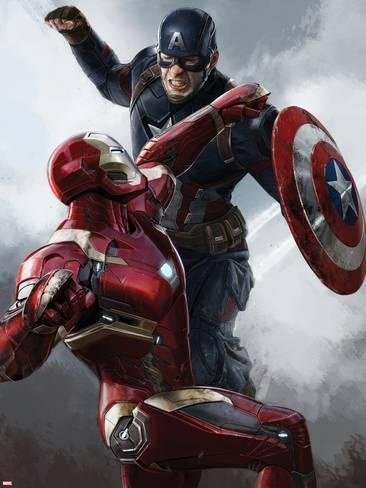
In the grand narrative of the Marvel Cinematic Universe, the confrontation between Captain America, Steve Rogers, and Iron Man, Tony Stark, is nothing short of a classic. At the heart of this clash lies the intense conflict between idealism and pragmatism. Their iconic equipment – Captain America’s shield and Iron Man’s armor (symbolized here as a “scepter” in the context of representing his power and approach) – serve as tangible embodiments of these two distinct philosophies. From the “Avengers” series to “Captain America: Civil War”, the two have stood firm in their beliefs through numerous crises and choices, presenting audiences with an in – depth exploration of responsibility, freedom, and justice.
The Unyielding Idealism Behind the Shield
Captain America’s shield, the circular vibranium shield emblazoned with the stars and stripes, is a vivid symbol of his unwavering idealism. More than just a powerful defensive weapon, it is a spiritual totem through which he safeguards justice, freedom, and equality. Steve Rogers grew from a scrawny young man into a super – soldier, all the while harboring the purest pursuit of justice. In his view, justice is absolute and should not be compromised or influenced by external factors.
In “Captain America: The First Avenger”, Steve made his debut. Facing the evil Hydra forces, he leaped into battle without hesitation. At that time, he didn’t have overly complex considerations. He simply believed that it was his mission to stop evil and protect the innocent. Every strike he made was guided by justice and supported by his shield. Even when facing powerful enemies and seemingly insurmountable difficulties, he never backed down. In his heart, an ideal world should be filled with fairness and justice, where everyone has the right to live in a safe and free environment.
Iron Man: Pragmatic Calculations Under the “Scepter”
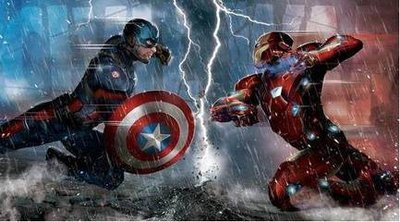
Iron Man, Tony Stark, with his genius – level intellect and formidable technological prowess, has created one amazing suit of armor after another. These armors are like the “scepter” in his hand, symbolizing his pragmatic philosophy. Tony’s pragmatism stems from his profound understanding of the real world and his full confidence in his own abilities. He is well – aware that in a world fraught with danger and uncertainty, relying solely on ideals is far from enough. Practical solutions and powerful capabilities are also essential.
In the “Iron Man” movie series, Tony initially built the armor to protect himself and escape from the captivity of terrorists. However, as time went on, he came to realize the greater value of the armor – to protect the world. Leveraging his technological edge, he continuously upgraded the armor, endowing it with more powerful functions and combat capabilities. He believed that with his intelligence and the power of the armor, he could effectively deal with various threats and minimize losses.
The Outbreak of “Captain America: Civil War”
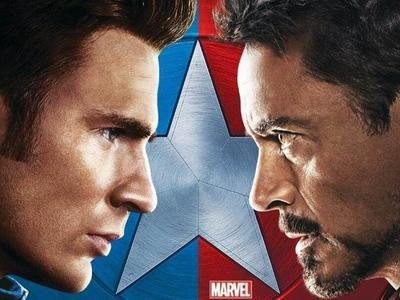
“Captain America: Civil War” brought the ideological conflict between Captain America and Iron Man to a boiling point. The Sokovia Accords served as the spark that ignited this conflict. The Accords required superheroes to be regulated by the government to ensure that their actions would not cause greater harm to society. Iron Man believed this was necessary because the power of superheroes was so immense that, if left unconstrained, it could lead to even greater disasters. From a pragmatic perspective, he hoped that by submitting to regulation, they could maintain social stability and public safety.
Captain America, on the other hand, firmly opposed this. He was concerned that government regulation would limit the freedom of action of superheroes, preventing them from responding promptly when facing real threats. He believed that the responsibility of superheroes was to safeguard justice, not to blindly obey rules that might not be fair. His idealism led him to firmly believe that true justice should transcend the constraints of politics and power and be judged by the heroes’ own consciences.
Although Captain America and Iron Man had a huge rift in “Captain America: Civil War”, this conflict also prompted them to reflect. During the battle, Captain America gradually realized that the real world was more complex than he had imagined. The path of idealism was not without obstacles, and sometimes it was necessary to consider practical situations and the viewpoints of others. Iron Man, too, began to question whether pragmatic decisions could truly bring about real peace and security, and whether over – reliance on rules and regulation would stifle the enthusiasm and creativity of heroes.