

In the grand narrative of “Avengers: Endgame”, Captain America, Steve Rogers, traveled back in time to return the Infinity Stones but chose to stay in that era. This farewell act has sparked numerous discussions and speculations among fans. On the surface, he did it to fulfill the mission of returning the stones and prevent timeline disruptions. However, upon in – depth analysis, it becomes clear that there are more complex and profound motives behind this decision, which involve love, responsibility, self – redemption, and a redefinition of the heroic mission.
Making Up for a Half – Life of Regrets
The love between Steve Rogers and Peggy Carter is a warm yet somewhat melancholy thread that runs through the Marvel Cinematic Universe. During World War II, just after Steve became Captain America, he fell deeply in love with Peggy. Unfortunately, fate had other plans. To stop a Hydra nuclear bomb attack, Steve crashed his plane into the Arctic Ocean and was frozen for seventy years. When he woke up, Peggy was already in her old age, and they had missed out on a lifetime together. This incomplete love became a permanent regret in Steve’s heart.
In “Avengers: Endgame”, time travel presented an opportunity for Steve to make amends. He chose to go back in time. After completing the task of returning the Infinity Stones, he danced with Peggy, making up for the dance that had been delayed for decades, and they spent the rest of their lives together. This was not just about satisfying personal emotions but also about remaining true to their once – beautiful love. Steve proved with his actions that even a world – saving hero has the same longing and dedication to love as an ordinary person. This choice made his character more three – dimensional. He was no longer just a fearless warrior but also a flesh – and – blood, affectionate man.
Passing on the Responsibility
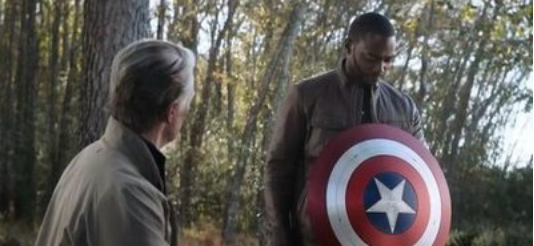
Captain America had carried the heavy responsibility of protecting the world throughout his life. After “Avengers: Endgame”, he knew it was time to pass on this responsibility. He handed over his shield to Sam Wilson, who later became the Falcon. Sam had always fought side – by – side with Steve. He had a firm belief and outstanding abilities, and Steve believed that he could inherit the spirit of Captain America and continue to safeguard the world.

Steve, who returned to the past, might have been keeping an eye on the world’s situation while living with Peggy. He understood that the new generation of superheroes needed room to grow, and as an old – generation hero, he couldn’t always be in the spotlight. By traveling back in time and staying there, he enabled Sam to take over the shield without any concerns and become the new Captain America, starting his own heroic journey. This act of passing on the responsibility ensured the continuation of the values of justice, courage, and sacrifice represented by Captain America, allowing the heroic spirit in the Marvel Cinematic Universe to be passed down and developed.
Seeking Inner Peace
Although Steve had made countless contributions to the world after becoming Captain America, his heart was always burdened. The experience of being frozen for seventy years had alienated him from his original era. In modern society, he often felt lonely and lost. Moreover, after experiencing numerous battles and losses, his heart was filled with trauma.
Traveling back in time was a form of self – redemption for Steve. He could return to a familiar era, reunite with his long – deceased comrades, and relive the warmth and friendship of the past. In that bygone time, he could face life with a more peaceful state of mind and heal the wounds in his heart. Free from the immense pressure of saving the world and the sense of alienation in modern society, he could finally find inner peace. This self – redemption was not an escape from responsibility but a form of self – reconciliation after fulfilling his mission, enabling him to spend the rest of his life with a more complete personality.