
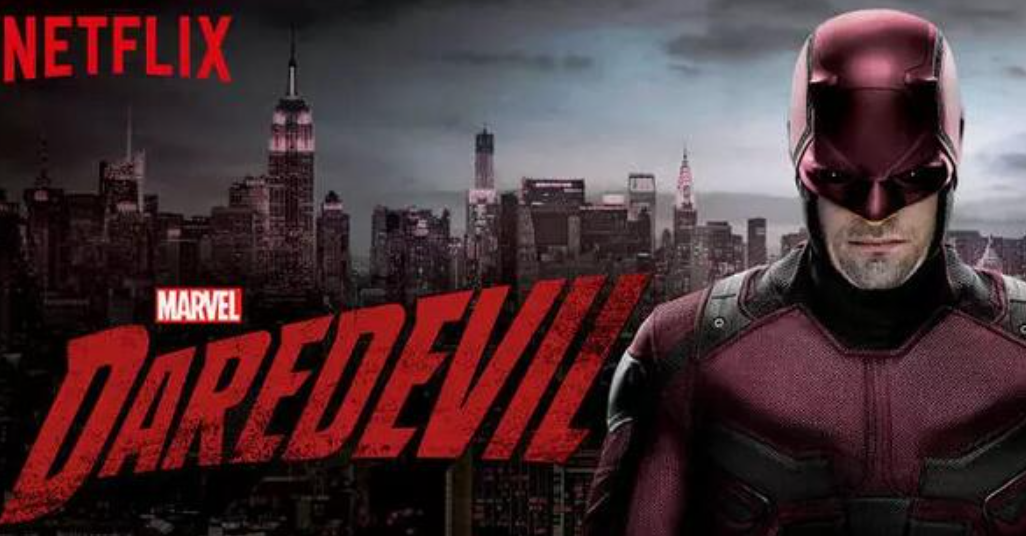
The landscape of modern comic books underwent a seismic shift in the mid-1980s, transitioning from the campy, bright heroics of the Silver Age to a gritty, noir-infused exploration of morality, law, and social decay. This “Dark Age” of comics redefined iconic characters like Batman and Daredevil, stripping away their invulnerability and replacing it with psychological depth and ethical ambiguity. By examining seminal works such as Batman: Year One, The Dark Knight Returns, and Daredevil: Dark Night Judgment, we can trace the trajectory of how justice is portrayed when the legal system fails and individuals take the law into their own hands.
The Street Aesthetics of Gotham: Batman Year One and the Noir Revolution
In 1987, Frank Miller and David Mazzucchelli collaborated on Batman: Year One, a narrative that effectively rebooted Batman’s origin for a modern audience. Unlike previous iterations that focused on fantastical gadgets, Year One leaned heavily into street aesthetics and the gritty reality of urban decay. David Mazzucchelli’s storyboard revolution brought a cinematic quality to the page, utilizing minimalist lines and shadow to create a Gotham that felt suffocating and real.
Mazzucchelli’s Visual Language and Storyboarding
The visual impact of Year One cannot be overstated. Mazzucchelli moved away from the traditional superhero “flash” and toward a grounded, noir-inspired realism. His use of layouts emphasized the passage of time and the physical toll of crime-fighting. The “street aesthetics” were characterized by rain-slicked alleys, crumbling tenements, and a muted color palette that reflected the moral gray areas of the story.
- Minimalist Realism: Focusing on character expressions and environmental detail rather than exaggerated action poses.
- Cinematic Pacing: Using varied panel sizes to control the reader’s tempo, mirroring the slow-burn tension of a detective film.
- Atmospheric Lighting: Heavy use of “chiaroscuro” (high contrast between light and dark) to symbolize the duality of Bruce Wayne and Jim Gordon.
The Parallels of Bruce Wayne and Jim Gordon
Year One is as much about Jim Gordon as it is about Bruce Wayne. Both men arrive in Gotham simultaneously, facing a city corrupted from the top down. The narrative explores their parallel journeys: Gordon fighting the corruption within the GCPD, and Wayne fighting the criminality on the streets. This duality establishes that justice requires both an internal reform of the system and an external force to shock the status quo.

Beyond the Law: Daredevil and the Duality of Divine Justice
While Batman operates as a billionaire vigilante, Matt Murdock’s struggle is uniquely defined by his role as a lawyer and his deep-seated religious convictions. Daredevil: Dark Night Judgment delves into the internal conflict of a man who defends the law by day and breaks it by night. This duality creates a tension between legal justice (man’s law) and divine justice (moral law).
The Moral Compass of Matt Murdock
Matt Murdock’s Catholicism is central to his identity as Daredevil. He views his vigilantism not just as a civic duty, but as a form of penance or divine intervention. This creates a complex logical branch where Murdock must reconcile the violence he inflicts with the principles of forgiveness and due process he upholds in the courtroom.
| Aspect | Matt Murdock (Lawyer) | Daredevil (Vigilante) |
|---|---|---|
| Method | Evidence and Courtroom Argument | Physical Force and Fear |
| Authority | The U.S. Constitution/Legal Code | Personal Morality/Divine Justice |
| Goal | Systemic Justice/Due Process | Immediate Protection/Retribution |
The “Dark Night Judgment” Mechanism
The concept of “Judgment” in Daredevil’s world is often literal. He acts as judge, jury, and occasionally executioner (in spirit, if not in fact). The narrative explores whether a single individual has the right to determine the fate of others based on their own sensory perceptions—in Matt’s case, his heightened radar sense that allows him to “hear” lies. This raises profound questions about the fallibility of human judgment even when backed by superhuman abilities.

The Dark Knight Returns: Reclaiming Social Order Through Vigilantism
In Frank Miller’s The Dark Knight Returns (TDKR), we see an aging Bruce Wayne returning to a Gotham that has descended into chaos. The “Mutant” gang represents a new kind of nihilistic threat that the traditional legal system is unequipped to handle. Here, the theme shifts from individual justice to the restoration of social order through sheer force of will.
The Failure of the Liberal State
TDKR presents a cynical view of a society paralyzed by bureaucracy and media-driven empathy for criminals. The legal system is portrayed as weak, with psychiatrists attempting to “rehabilitate” the Joker while he continues to plan mass murder. Batman’s return is a rejection of this perceived weakness, asserting that some threats require a “Dark Knight” rather than a social worker.
- Media Satire: Miller uses television screens to show how public opinion is manipulated, complicating the hero/villain narrative.
- The Superman Conflict: Superman acts as the ultimate agent of the state, highlighting the tension between government-sanctioned power and individualist vigilantism.
- The Sons of Batman: The transformation of the Mutant gang into the “Sons of Batman” shows the dangerous thin line between leading a movement and starting a cult of personality.
The Architecture of the Final Battle
The confrontation between Batman and Superman is the climax of this struggle for social order. It is a battle of ideologies: Superman’s belief in working within the system versus Batman’s belief that the system is broken beyond repair. Batman’s victory (facilitated by Kryptonite and strategic planning) serves as a symbolic triumph of human agency over divine-like state authority.

The Perversion of Justice: The Rise of the Bat Who Laughs
The evolution of the “Dark Hero” reaches its most terrifying conclusion in Dark Nights: Metal with the introduction of the Bat Who Laughs. This character is the ultimate nightmare: a version of Bruce Wayne who has been corrupted by the Joker’s toxin, combining Batman’s tactical genius with the Joker’s psychopathic nihilism.
5 Key Moments in the Creation of the Nightmare
The transformation of Earth-22’s Batman into the Bat Who Laughs provides a cautionary tale about the dangers of the “Dark Hero” archetype when the moral tether is cut. The process was not instantaneous but a series of calculated tragedies.
- The Final Breaking Point: Batman finally kills the Joker after the clown murders parents in front of their children to recreate Bruce’s trauma.
- The Infection: Upon death, the Joker releases a concentrated toxin that slowly rewrites Batman’s brain chemistry.
- The Slaughter of the Bat-Family: In a chilling display of efficiency, the newly infected Bruce kills Nightwing, Batgirl, Red Hood, and Robin during a training session.
- The Eradication of the Justice League: Using the League’s own contingency plans and trophies (like Black Kryptonite), he eliminates the world’s most powerful heroes.
- The Descent into the Dark Multiverse: The Bat Who Laughs joins Barbatos, realizing that his purpose is to “sink” the multiverse into darkness.
The Philosophy of “Batman Always Wins”
The Bat Who Laughs represents the logical extreme of Batman’s “prep time” and “will to win.” Without a moral code, these traits become weapons of mass destruction. He proves that the only thing more dangerous than a villain is a hero who has decided that justice is a joke. This character serves as a dark mirror to the themes explored in Year One and TDKR, showing what happens when the “Dark Knight” loses his humanity entirely.

The Psychological Toll of the Dark Night
Engaging in vigilantism is not without its costs. Across all these narratives, the psychological health of the protagonist is constantly in question. The “Dark Night” is not just a setting; it is a mental state. Whether it is Matt Murdock’s depression and sensory overload or Bruce Wayne’s obsessive-compulsive need for control, the mission consumes the man.
Case Study: The Cost of the Mask
In Daredevil: Dark Night Judgment, Murdock’s internal monologue reveals a man on the brink of exhaustion. His “radar sense” means he can never truly escape the suffering of Hell’s Kitchen. Similarly, in Year One, we see Bruce Wayne’s early failures—getting shot, bleeding out in his study—reminding the reader that his crusade is a suicidal one. The “success” of these heroes is built on a foundation of personal trauma and physical sacrifice.

Conclusion: The Enduring Legacy of Dark Hero Narratives
The exploration of justice in the dark corners of the DC and Marvel universes continues to resonate because it reflects our own societal anxieties. From the street-level grit of Batman: Year One to the multiversal horror of Dark Nights: Metal, these stories challenge us to define what justice really means. Is it the letter of the law, the restoration of social order, or a personal moral code? While there is no easy answer, the enduring popularity of Batman and Daredevil suggests that we will always be fascinated by those who walk the line between hero and monster to keep the darkness at bay.
Frequently Asked Questions (FAQ)
- Q1: Why is “Batman: Year One” considered a revolution in comic book aesthetics?
- Year One is considered revolutionary because it moved away from the fantastical elements of superheroes and embraced a “street aesthetic” influenced by noir films. David Mazzucchelli’s use of realistic anatomy, cinematic pacing, and gritty urban environments set a new standard for adult-oriented comic storytelling.
- Q2: How does Daredevil’s religion influence his view of justice?
- Matt Murdock’s Catholicism provides a moral framework that often conflicts with the secular legal system. He views his actions as a Daredevil through the lens of sin, penance, and divine judgment, leading to a deep internal struggle between his duty as a lawyer and his calling as a vigilante.
- Q3: What is the main message of “The Dark Knight Returns” regarding social order?
- The Dark Knight Returns suggests that when a society becomes too permissive or bureaucratic to protect its citizens, a “strongman” or vigilante figure may arise to restore order. It critiques both the criminal element and the government’s inability to provide safety, though it also warns of the fascist undertones of such vigilantism.
- Q4: Who is the Bat Who Laughs and why is he significant?
- The Bat Who Laughs is a version of Batman from the Dark Multiverse who has been infected by the Joker’s toxin. He is significant because he represents the ultimate “perversion of justice”—a character with Batman’s intellect and the Joker’s lack of morality, proving that Batman’s greatest strength (his mind) is also his most dangerous weapon.
- Q5: What are the key differences between the justice sought by Batman and Daredevil?
- Batman’s justice is often focused on the restoration of order and the elimination of crime through fear and systemic change (as seen in Year One and TDKR). Daredevil’s justice is more personal and spiritual, often revolving around the individual’s soul and the moral weight of one’s actions within the “Dark Night” of the soul.