
The Visual Representation of Masculine Strength and Power Metaphors
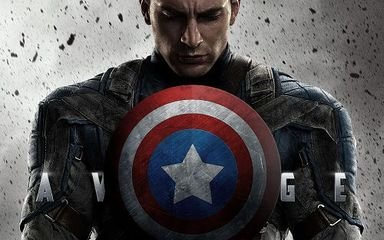
Captain America’s muscular physique is one of his most striking features. In the depictions of comics and movies, Steve Rogers was originally a scrawny young man. After undergoing the Super Soldier Serum experiment, he developed a tall, upright stature and well – developed muscles. This transformation from weakness to strength is not merely a physical change but also contains profound power metaphors.
In traditional gender concepts, men are often attributed with traits such as strength and courage, and muscles have become a visual symbol of masculine power. Captain America’s muscular build reinforces this gender stereotype, making him the ideal incarnation of masculine strength. With his strong body, he charges into battles, defeats evil forces, and demonstrates great dominance and control. This display of power is not only for the protection of others but also a proclamation of power, suggesting the dominant position of men in society.
The Gendered Moral Standards and Power Relations Behind the Image of Justice
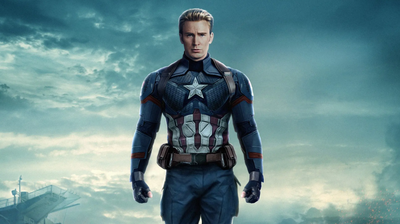
Captain America not only possesses great strength but also adheres to noble moral principles. He always prioritizes protecting others and upholding justice, and this moral quality has made him a hero in people’s hearts. However, there are also gendered moral standards and power relations behind this moral image.
In traditional gender concepts, male morality is often associated with qualities such as bravery, perseverance, and justice, while female morality is more related to traits like gentleness, kindness, and compassion. Captain America’s moral image conforms to male moral standards. He never flinches in the face of difficulties and dangers and is willing to sacrifice himself for justice. The construction of this moral image further consolidates his status as a male hero and also strengthens male dominance in the moral realm.
The Evolution of Gender and Power Narratives
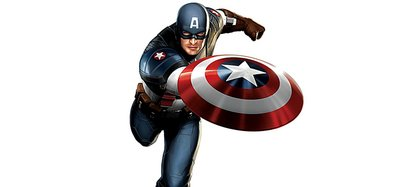
With the development of society and the change of gender concepts, the gender and power narratives of Captain America are also constantly evolving. In the early comics and movies, his image more reflected traditional gender and power concepts, emphasizing male strength and dominance. However, in recent years, works have begun to reflect on and challenge this traditional narrative.
In some modern Marvel works, Captain America’s image has gradually become more diverse and three – dimensional. He is no longer just a muscular and morally perfect hero but shows more human weaknesses and emotional struggles. This transformation breaks the traditional gender stereotypes and makes his image more relatable to people in real life.
There are rich gender and power narratives behind Captain America’s “perfect image.” His muscular image and moral qualities are not only symbols of male strength and justice but also reflect traditional gender concepts and power structures. With the development of society, this narrative is constantly evolving and starting to reflect on and challenge traditional concepts.