
The Hulk’s cinematic history is a turbulent one, defined by reboots, recasting, and complex studio politics. While Bruce Banner and his destructive alter-ego are founding members of the Avengers and beloved by fans, the character has struggled to maintain a consistent solo presence on the big screen. This is largely due to a tangled web of film rights and creative differences that have uniquely affected his trajectory within the sprawling Marvel Cinematic Universe (MCU). From early television movies to the modern-day challenges preventing a sequel to 2008’s The Incredible Hulk, understanding the Green Goliath’s silver screen fate requires a look back at key moments, crucial decisions, and the legal frameworks that dictate his future.
The Early Live-Action Legacy: From TV Series to TV Movies
Before the CGI-driven blockbusters of the 21st century, the Hulk was most famously brought to life in the popular television series The Incredible Hulk (1978-1982). This series cemented the dual-actor portrayal, with Bill Bixby playing the thoughtful and tormented Dr. David Banner and bodybuilder Lou Ferrigno portraying his monstrous, green-skinned counterpart. Following the series’ conclusion, three television movies were produced to continue the story, which also served as early experiments in creating a shared live-action Marvel universe.
A Crossover Event: “The Trial of the Incredible Hulk”
The second of these films, The Trial of the Incredible Hulk (1989), stands out as a significant moment in early Marvel adaptations. The plot sees David Banner wrongly accused of a crime, leading him to seek legal counsel from a blind lawyer named Matt Murdock. This introduced audiences to the first live-action version of Daredevil, played by Rex Smith. The film also featured John Rhys-Davies as the formidable Wilson Fisk, a.k.a. the Kingpin. This TV movie was essentially a backdoor pilot for a potential Daredevil series, showcasing his origin story, signature black costume, and acrobatic fighting style. While the series never materialized, the film remains a fascinating artifact of pre-MCU crossover ambitions, uniting two of Marvel’s most prominent street-level and powerhouse characters.

The MCU’s Recasting Saga: A Tale of Three Banners
The modern cinematic era of the Hulk has been defined by three different actors taking on the role of Bruce Banner, each leaving a distinct mark on the character but also highlighting the challenges in establishing a definitive version for the interconnected MCU.
Ang Lee’s “Hulk” (2003) and Eric Bana
The first major theatrical attempt was Ang Lee’s Hulk, starring Eric Bana. This film took a deeply psychological and introspective approach, focusing on Bruce Banner’s trauma and repressed memories. While praised for its artistic ambition, its somber tone and departure from traditional superhero action tropes resulted in a mixed reception from audiences and critics. Universal Pictures, which held the rights, ultimately decided not to move forward with a sequel, paving the way for a complete reboot.
The MCU’s Official Start: Edward Norton in “The Incredible Hulk” (2008)
When Marvel Studios launched its own cinematic universe, it chose to reboot the character with The Incredible Hulk, the second film in the MCU after Iron Man. Edward Norton was cast as Bruce Banner, and he was heavily involved in the creative process, even performing uncredited rewrites on the script. Norton envisioned a darker, more serious film, akin to Christopher Nolan’s Batman trilogy. However, this vision clashed with that of Marvel Studios’ Kevin Feige and director Louis Leterrier, who wanted a film that was more accessible and fit the planned interconnected, slightly more optimistic tone of the MCU. These creative differences reportedly led to significant friction during post-production, particularly over the final cut of the film. While the movie was a moderate success and successfully introduced elements like General Thaddeus “Thunderbolt” Ross and teased The Leader, the behind-the-scenes tensions set the stage for another change.
The Arrival of Mark Ruffalo
For 2012’s groundbreaking team-up film The Avengers, Marvel Studios made the decision to recast the role once again, bringing in Mark Ruffalo. In a public statement, Kevin Feige explained the decision was rooted in the need for “an actor who embodies the creativity and collaborative spirit of our other talented cast members.” This was widely interpreted as a reference to the difficulties of working with Norton. Ruffalo’s portrayal was an immediate hit with fans and critics. He brought a gentle, weary humanity to Banner and a ferocious energy to the Hulk, perfectly balancing the character’s two halves and integrating seamlessly into the ensemble cast. He has since become the definitive Hulk for an entire generation of moviegoers.

The Unmade Sequel: What Happened to ‘The Incredible Hulk 2’?
Despite the success of Mark Ruffalo’s Hulk in multiple Avengers films and Thor: Ragnarok, a solo sequel to The Incredible Hulk has never materialized. Fans have long clamored for it, especially given the unresolved plot threads from the 2008 film. The primary reason for its absence is not a lack of interest from Marvel, but a complicated legal issue over distribution rights.
The Universal Rights Complication
The core of the problem lies in the original deal between Marvel and Universal Pictures. While Marvel Studios (now owned by Disney) holds the production rights to the Hulk, meaning they can use him in any team-up movie they produce, Universal Pictures retains the right of first refusal for distribution on any solo Hulk film. This means if Marvel were to make “The Incredible Hulk 2,” Universal would get to distribute it. This creates a financially undesirable situation for Disney, as they would have to fund the entire expensive production and marketing, only to share a significant portion of the box office profits with a rival studio. Until this distribution agreement is resolved or expires, a solo Hulk movie is considered a financial non-starter for Disney.
Hulk’s Arc Within the MCU as a “Sequel”
In lieu of a direct sequel, Marvel Studios cleverly opted to tell a multi-film story arc for the Hulk across several other characters’ movies. This “smuggled” sequel played out in three key phases:
- The Avengers & Age of Ultron: Established the “monster in the trunk” dynamic and explored Banner’s fear of his own power and his budding relationship with Black Widow.
- Thor: Ragnarok: Radically transformed the character, showing a Hulk who had been in control for two years on Sakaar, developing a toddler-like personality and vocabulary. It explored the conflict between the two identities from the Hulk’s perspective.
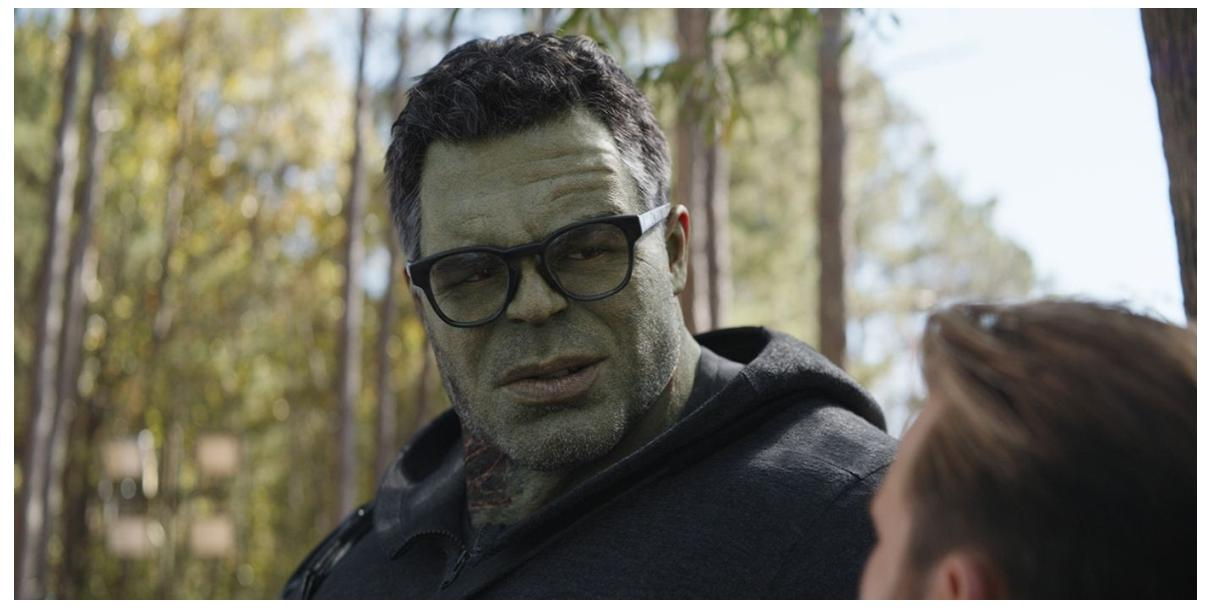
- Avengers: Infinity War & Endgame: Culminated the arc with the emergence of “Smart Hulk,” where Banner successfully merged his intelligence with the Hulk’s strength, representing a final, hard-won peace between his two halves.
This narrative journey, while not a traditional solo film, provided the character with significant development he would have otherwise missed.

The Future of the Hulk on Screen
The landscape for the Hulk has shifted once again with the advent of Disney+. The streaming service has provided a new venue to explore characters without the box office pressures and distribution entanglements of theatrical films. This has opened new doors for Bruce Banner and his extended family.
The “She-Hulk: Attorney at Law” Developments
The Disney+ series She-Hulk: Attorney at Law served as a major step forward for the Hulk’s storyline. It not only saw the return of Tim Roth as Emil Blonsky/Abomination but also moved Banner’s personal story forward significantly. The show saw him travel back to Sakaar and return with a son, Skaar, introducing a major character from the comics. This development, combined with the presence of other Gamma-powered individuals, has led many fans to believe that Marvel is slowly laying the groundwork for an adaptation of the iconic World War Hulk comic storyline, even if it has to be a Disney+ event series or integrated into another film.
Will a Solo Movie Ever Happen?
The fundamental obstacle of the Universal distribution rights remains. Unless Disney and Universal can reach a new agreement (similar to the deal Sony and Disney made for Spider-Man), a theatrically released solo Hulk film is unlikely. However, the continuous narrative progression in shows like She-Hulk and potential appearances in upcoming films like Captain America: Brave New World (which features the return of The Leader and Thunderbolt Ross as President) show that Marvel has no intention of abandoning the character. The Hulk’s story will continue, even if it’s not under his own movie title.
Frequently Asked Questions (FAQ)
- Why was Edward Norton replaced by Mark Ruffalo as the Hulk?
- Edward Norton was replaced primarily due to creative differences with Marvel Studios. Reports from the time indicated friction over the final cut of “The Incredible Hulk” (2008). Marvel Studios stated they wanted an actor with a more collaborative spirit to fit into the ensemble dynamic of “The Avengers,” which led to the casting of Mark Ruffalo.
- Who owns the movie rights to the Hulk?
- It’s a shared and complicated situation. Marvel Studios/Disney owns the production rights, which means they can create a Hulk movie and use the character in other films like “The Avengers.” However, Universal Pictures holds the right of first refusal for distribution of any solo Hulk film, making it financially unappealing for Disney to produce one alone.
- What was “The Trial of the Incredible Hulk” about?
- “The Trial of the Incredible Hulk” was a 1989 TV movie following the Bill Bixby/Lou Ferrigno TV series. In it, David Banner is wrongly accused of a crime and is defended by the blind lawyer Matt Murdock, who is secretly the vigilante Daredevil. It served as the first live-action crossover for the characters and was also a backdoor pilot for a Daredevil TV series that never happened.
- Will there ever be an “Incredible Hulk 2”?
- A direct, theatrically released sequel titled “The Incredible Hulk 2” is highly unlikely due to the distribution rights held by Universal Pictures. However, the Hulk’s story has continued across multiple MCU films and Disney+ series, which collectively serve as a narrative follow-up. Future storylines, potentially adapting elements like “World War Hulk,” are more likely to appear in other crossover projects or a Disney+ series rather than a standalone film.