
The Evolution of Batman’s Iconic Image
Since his first appearance in Detective Comics #27 in 1939, created by the legendary duo Bob Kane and Bill Finger, the image of Batman has undergone a fascinating and continuous metamorphosis. Unlike other comic book heroes who have remained relatively static in their visual presentation, the Caped Crusader has served as a dark canvas for generations of artists, writers, and filmmakers. This constant evolution is not merely an aesthetic choice; it is a profound reflection of shifting cultural anxieties, societal norms, and the evolving definition of justice in modern storytelling. The silhouette of the bat against a blood-red or moonlit sky has become a universal symbol, instantly recognizable across the globe, yet capable of conveying drastically different tones depending on the era.
From Comic Book Origins to Global Phenomenon
In his earliest iterations, Batman was a pulp-inspired vigilante, deeply rooted in noir detective fiction. He carried a firearm, operated with lethal precision, and wore a simple, almost theatrical costume designed to strike fear into the superstitious and cowardly hearts of criminals. As the decades progressed, the introduction of the Comics Code Authority softened his edges, leading to the bright, campy, and highly stylized era popularized by the 1960s television series. However, it was the seminal graphic novels of the 1980s, particularly Frank Miller’s The Dark Knight Returns and Alan Moore’s The Killing Joke, that violently wrenched the character back into the shadows. These works stripped away the vibrant colors, replacing them with grim, psychological realism that redefined the character for a mature audience.
- The Golden Age (1939-1950s): Characterized by noir influences, simple fabric suits, and the establishment of core mythos elements like Gotham City and Commissioner Gordon.
- The Silver Age (1950s-1970s): A lighter, more sci-fi-oriented approach featuring a brighter blue-and-gray color palette and an expanded “Bat-Family.”
- The Modern Age (1980s-Present): A return to dark, gritty realism, emphasizing the psychological trauma of Bruce Wayne and the systemic corruption of Gotham.
This historical trajectory demonstrates that Batman’s image is remarkably elastic. He can be a smiling father figure to Robin, a brooding loner on a gargoyle, or a heavily armored soldier in a war against urban decay. This adaptability is the bedrock of his longevity, allowing each generation to project its own fears and aspirations onto the mantle of the bat.

Exploring the Unique Charm of the Dark Knight
What is it that elevates Batman above a crowded pantheon of gods, aliens, and super-powered beings? The unique charm of the Dark Knight lies precisely in his lack of superhuman abilities. Bruce Wayne is fundamentally a mortal man. He bleeds, he breaks, and he ages. Every victory he achieves is not the result of a genetic mutation or an alien sun, but the product of relentless obsession, unparalleled intellect, and peak human physical conditioning. This inherent vulnerability makes his crusade infinitely more compelling, as the stakes for Batman are always a matter of life and death.
The Vulnerability of a Mortal Hero
The core of Batman’s appeal is his sheer, unyielding willpower. Audiences are drawn to the tragedy of his origin—the murder of his parents in Crime Alley—because it is a deeply human trauma. Rather than succumbing to grief, Bruce Wayne weaponizes his pain. This psychological alchemy transforms a traumatized orphan into an unstoppable force for justice. The charm lies in the aspirational nature of his quest; he represents the absolute pinnacle of human potential. When we watch Batman fight, we are witnessing the triumph of human ingenuity and resilience against overwhelming odds. His reliance on martial arts mastery, theatricality, and intimidation proves that a human mind can outmaneuver even the most godlike adversaries.
The World’s Greatest Detective
Furthermore, Batman’s charm is deeply tied to his intellect. Long before he was an action movie icon, he was billed as the World’s Greatest Detective. His ability to solve complex riddles, analyze forensic evidence, and outsmart criminal masterminds adds a layer of cerebral engagement to his stories. The contrast between his brutal physical interrogations and his quiet, methodical crime-scene investigations creates a multifaceted character who appeals to both our primal desire for retribution and our intellectual craving for mystery-solving.

Robert Pattinson’s Gritty Portrayal in ‘The Batman’
When Matt Reeves cast Robert Pattinson as the titular character in ‘The Batman’ (2022), it marked a significant departure from previous cinematic interpretations. Pattinson’s Bruce Wayne is not the suave, philanthropic playboy crafted by Christian Bale, nor is he the seasoned, cynical brawler portrayed by Ben Affleck. Instead, Pattinson delivers a raw, grunge-inspired, emotionally stunted recluse who is entirely consumed by his nocturnal alter ego. Set during his second year of crime-fighting, this version of the character is still finding his footing, making mistakes, and grappling with the realization that his crusade might be inspiring the very madness he seeks to eradicate.
A Detective-First Approach to Cinematic Storytelling
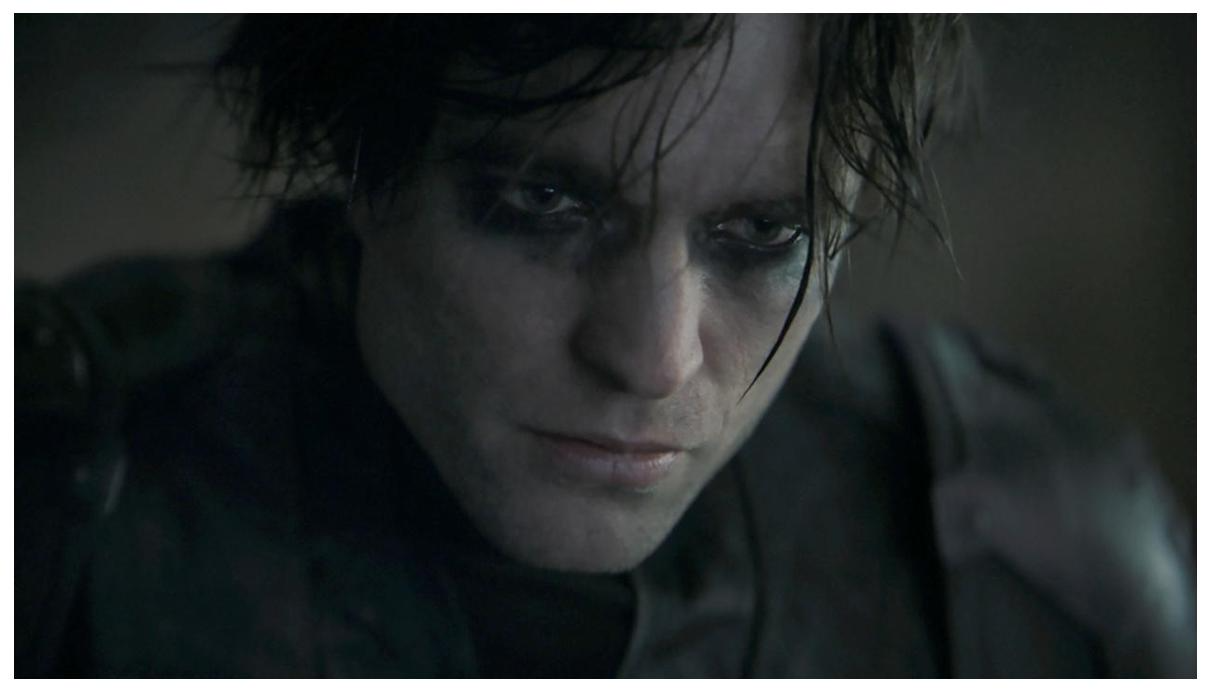
Pattinson’s portrayal leans heavily into the noir roots of the character. The film positions him primarily as a sleuth, walking slowly through active crime scenes alongside the Gotham City Police Department, deciphering the cryptic clues left by the Riddler. His performance is marked by a heavy, almost suffocating sense of melancholy. The heavy eye makeup, which remains visible when he removes the cowl, strips away the glamour of superhero cinema, revealing the exhausted, haunted man beneath the mask. This vulnerability translates into a deeply empathetic performance, showcasing a Batman who is terrifying to criminals but fundamentally broken inside.
| Cinematic Batman | Core Persona | Primary Focus | Bruce Wayne Facade |
|---|---|---|---|
| Christian Bale | The Symbol of Justice | Theatricality and Ninja Training | Arrogant, Wealthy Playboy |
| Ben Affleck | The Weary Veteran | Brute Strength and Heavy Arsenal | Cynical, World-Weary Billionaire |
| Robert Pattinson | The Obsessive Sleuth | Forensics and Intimidation | Reclusive, Emo-Grunge Loner |
The table above illustrates the stark contrast in cinematic approaches. Pattinson’s deliberate abandonment of the “Bruce Wayne facade” forces the audience to confront the reality that for this version of the character, Batman is the true identity, and Bruce Wayne is merely a ghost haunting Wayne Tower.

The Psychological Weight of the Cowl and Batsuit
In the lore of the Dark Knight, the Batsuit is never just a uniform; it is a meticulously engineered psychological weapon. For Robert Pattinson’s Batman, the suit represents a culmination of DIY engineering and brutal functionality. It is designed not just to deflect bullets, but to absorb the sheer kinetic impact of his violent lifestyle. The suit tells a story of survival. Every scratch, scorch mark, and stitch on the leather is a testament to the battles he has barely survived. This tactile, grounded approach to costume design enhances the realism of the narrative, making the danger feel palpable.
Engineering the Modern Batsuit
Pattinson’s suit is notably utilitarian. The chest emblem, rumored within the film’s lore to be forged from the gun that killed his parents, serves as a tactical knife. The gauntlets are equipped with hidden grappling mechanisms, and the boots are heavy, grounding his every step with an ominous thud that echoes through the rain-slicked streets of Gotham. Unlike the sleek, molded rubber of the 1990s films or the high-tech military plating of the Nolan trilogy, this suit looks like it was built in a grim basement by a man obsessed with his mission.
- The Stitched Leather Cowl: Unlike previous seamless designs, Pattinson’s cowl features visible stitching, resembling a grim, homemade executioner’s mask. It emphasizes the raw, unpolished nature of his early career.
- Functional Eye Makeup: The inclusion of smeared black greasepaint under the eyes highlights the theatricality and the messy reality of wearing a mask.
- Ballistic Collar: The high collar provides crucial neck protection while giving the silhouette a gothic, almost vampiric aesthetic.
The Cowl as a Symbol of Vengeance
More importantly, the cowl acts as a psychological barrier. When Pattinson dons the mask, he frequently refers to himself simply as “Vengeance.” The cowl allows him to compartmentalize his trauma, projecting his internal rage outward onto the criminal underworld. However, the true arc of his character involves realizing that the cowl must evolve from a symbol of fear into a beacon of hope. The physical weight of the suit mirrors the emotional burden he carries, making his eventual choice to lead the citizens of Gotham to safety a profoundly cathartic moment.

Gotham City as a Mirror to Bruce Wayne’s Soul
No analysis of Batman is complete without examining the city that birthed him. Gotham City is not merely a setting; it is an active, breathing character within the mythos, and it serves as a dark mirror to Bruce Wayne’s own fractured psyche. The architecture, the perpetual rain, and the deep-seated institutional corruption create an environment where a figure like Batman is not only possible but necessary. Gotham is a city built on grand, gothic aspirations that have slowly rotted from the inside out, much like the Wayne family legacy that Bruce struggles to uphold.
Gothic Architecture and Modern Decay
The visual representation of Gotham often dictates the tone of the Batman story being told. In Matt Reeves’ vision, Gotham is a decaying metropolis, bathed in neon reds and sickly yellows, plagued by rain and shadow. It feels claustrophobic and inescapable. The towering gothic spires contrast sharply with the grime-covered subway stations, reflecting the stark divide between the city’s wealthy elite and its desperate underclass. This environment forces Batman to navigate both the literal and moral gutters of society.
The symbiotic relationship between the hero and his city is undeniable. Batman exists because Gotham is broken, yet his presence inevitably attracts a more theatrical, dangerous breed of criminal. The emergence of rogues like the Joker, the Riddler, and the Penguin is often portrayed as an escalatory response to Batman’s own extreme methods. Thus, Bruce Wayne is trapped in a perpetual cycle: he bleeds to save a city that constantly generates new nightmares to test his resolve.

The Enduring Cultural Legacy of the Caped Crusader
Decades after his inception, Batman’s cultural footprint has only expanded, cementing his status as one of the most significant fictional characters in modern history. His legacy transcends comic books, dominating blockbuster cinema, critically acclaimed video games, animated series, and global merchandising. But the true measure of his legacy is not found in box office receipts; it is found in the enduring philosophical and moral questions his stories provoke.
A Symbol of Resilience and Human Potential
At his core, Batman represents the ultimate triumph of human will over tragedy. He is a testament to the idea that trauma does not have to define or destroy a person; it can be channeled into a force for profound, systemic change. His strict moral code—specifically his unwavering rule against killing—sparks endless debates about the nature of justice, vengeance, and the fine line that separates the hero from the monsters he fights. By constantly wrestling with his own darkness, Batman remains endlessly relatable.
In a world that often feels chaotic and unjust, the image of the Bat-Signal shining against dark clouds remains a powerful symbol of hope. It promises that no matter how deep the corruption runs, there is always someone willing to stand in the shadows and fight for the light. Whether portrayed as a campy crusader, a brooding detective, or a symbol of raw vengeance, Batman’s unique charm ensures that he will continue to watch over our collective cultural imagination for generations to come.
Frequently Asked Questions (FAQ)
- Why is Robert Pattinson’s Batman considered more of a “detective” than previous versions?
- Unlike previous cinematic iterations that focused heavily on Bruce Wayne’s ninja training, military gadgets, or playboy persona, Matt Reeves’ film specifically highlights Batman’s analytical skills. Pattinson’s character spends the majority of the film actively investigating crime scenes, deciphering complex ciphers left by the Riddler, and collaborating with the police, closely mirroring his comic book moniker as the “World’s Greatest Detective.”
- What makes the Batsuit in ‘The Batman’ (2022) unique?
- The 2022 Batsuit is designed with a highly tactical, DIY aesthetic. It features visible stitching on a leather cowl, a collar for ballistic neck protection, and a chest emblem that doubles as a functional tactical knife. It emphasizes realism and the physical toll of vigilantism, looking like armor built by a man who expects to take heavy damage every night.
- Why does Batman refuse to use firearms or kill his enemies?
- Batman’s “no-kill” rule is the cornerstone of his moral philosophy. Having witnessed his parents murdered by a firearm, he harbors a deep psychological aversion to guns. Furthermore, he believes that crossing the line into murder would make him no better than the criminals he fights, effectively destroying the symbol of true justice he strives to be for Gotham City.
- How does Gotham City influence the character of Batman?
- Gotham City acts as both the catalyst for Batman’s creation and his ultimate antagonist. Its deep-rooted systemic corruption, gothic architecture, and stark class divides create an environment of perpetual decay. Batman’s crusade is entirely shaped by his desperate need to cleanse the city of the rot that took his parents, making Gotham a dark reflection of his own internal struggles.