
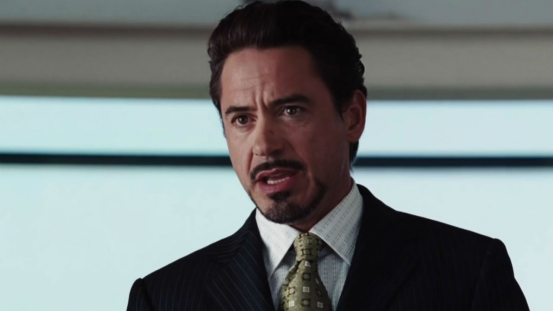
Tony Stark is not just a comic book character; he is a modern mythological figure whose cinematic journey redefined the superhero genre. From a self-absorbed weapons manufacturer to the savior of the universe, Iron Man’s character arc represents one of the most profound explorations of trauma, redemption, and heroism in modern storytelling. This comprehensive guide meticulously dissects the legendary life of Tony Stark, peeling back his iron shell to reveal the tenderness, the psychological burdens, and the unyielding superhero spirit that culminated in the most glorious sacrifice in cinematic history.
The Genesis of a Hero: Behind the Multiple Identities of Tony Stark
To understand Iron Man, one must first deconstruct the man inside the suit. Tony Stark was introduced to the world as a walking paradox: a genius, billionaire, playboy, and philanthropist who profited from global conflict. His multiple identities served as both a shield against his deep-seated insecurities and a weapon to dominate the corporate and social worlds. However, the true genesis of his heroism was born in the dark, damp caves of Afghanistan, where his worldview was violently shattered.
The Burden of the Stark Legacy
Howard Stark cast a massive shadow over Tony’s life. Raised in an environment where affection was scarce and expectations were impossibly high, Tony developed a defense mechanism of extreme narcissism. He masked his desperate need for approval with a facade of arrogant invincibility. The Stark Industries legacy was built on blood, a fact Tony conveniently ignored until he was forced to witness the devastating impact of his own creations firsthand. This brutal awakening was the catalyst that forced him to reconcile his identity as a creator of destruction with his potential as a protector of life.
The “Genius, Billionaire, Playboy, Philanthropist” Paradox
When challenged by Captain America about what he is without the suit, Tony famously retorted with his four-pillar identity. Yet, this multifaceted persona was inherently unstable. As the narrative progressed, each of these identities underwent a rigorous transformation. The playboy became a devoted family man; the billionaire utilized his immense wealth to fund global defense initiatives; the genius shifted his focus from ballistics to clean energy and time travel; and the philanthropist learned the true meaning of selfless giving. This evolution was not instantaneous but a grueling process of trial, error, and immense personal loss.
| Identity Phase | Core Motivation | Action/Consequence | Psychological State |
|---|---|---|---|
| The Merchant of Death | Ego, Profit, Legacy | Manufacturing weapons of mass destruction | Ignorant, detached, emotionally stunted |
| The Reluctant Hero | Guilt, Survival, Redemption | Creating the Mark I, shutting down weapons division | Awakening, traumatized, seeking purpose |
| The Earth’s Defender | Fear, Responsibility, Protection | Funding the Avengers, creating Ultron | Anxious, obsessive, hyper-vigilant |
| The Ultimate Savior | Love, Altruism, Sacrifice | Inventing time travel, wielding the Infinity Stones | Resolved, peaceful, completely selfless |

Peeling Off the Iron Shell: Exploring the Depths of Tony Stark’s Soul
The Iron Man armor is a masterpiece of engineering, but semantically, it is a profound metaphor for Tony Stark’s psychological state. The suit is a physical manifestation of his desire to protect himself from a universe that has repeatedly proven to be chaotic and hostile. Peeling off this iron shell reveals a soul deeply scarred by trauma, battling severe post-traumatic stress disorder (PTSD), and driven by an insatiable need to control the uncontrollable.
The Armor as an Emotional Barricade
Following the Battle of New York, Tony’s worldview expanded terrifyingly. He realized that Earth was hopelessly outmatched by cosmic threats. This existential dread birthed a frantic period of invention, resulting in the Iron Legion. He wasn’t just building suits to fight villains; he was building them to silence the panic attacks that plagued his quiet moments. Every iteration of the armor, from the bulky Mark I to the sleek, nanotechnology-driven Mark 85, represented a desperate attempt to patch the vulnerabilities in his own psyche. The armor was his cocoon, isolating him from the emotional connections that he feared would eventually be severed by tragedy.
The Weight of Guilt and the God Complex
Tony Stark’s soul is heavily burdened by the concept of preemptive guilt. He blames himself for tragedies that haven’t even occurred yet, which leads to catastrophic decisions like the creation of Ultron. He believed that his unparalleled intellect was the only thing standing between humanity and annihilation. This “God Complex” was not born of malice, but of a terrifying sense of absolute responsibility. His journey required him to accept that he could not put a “suit of armor around the world” and that true security requires trusting others, embracing vulnerability, and accepting the inevitability of loss.
- The Mark I (Survival): Built out of sheer desperation, representing the raw, unrefined will to live and the initial spark of his conscience.
- The Mark 42 (Anxiety): A suit designed to come to him in pieces at any moment, reflecting his fragmented mental state and hyper-vigilance during his severe PTSD phase.
- The Hulkbuster (Responsibility): A manifestation of his willingness to take down even his closest allies if they posed a threat, showcasing his heavy burden of accountability.
- The Bleeding Edge/Nanotech (Integration): The final evolution where the suit lives inside him, symbolizing the complete fusion of the man and the hero. He no longer wears the armor; he is the armor.

The Tough Guy’s Tenderness: Iron Man’s Relationships and Humanity
Beneath the titanium alloy and the biting sarcasm lies a profoundly tender heart. The arc reactor was initially built to keep shrapnel from piercing his physical heart, but it is his relationships that keep his emotional heart beating. Tony Stark’s humanity is most vividly displayed in his interactions with those he loves, proving that the “tough guy” exterior is merely a safeguard for a fiercely protective and deeply loving individual.
Pepper Potts: The Anchor to Reality
Virginia “Pepper” Potts is the undeniable center of Tony Stark’s universe. She is the only person who consistently sees through his bravado, grounding him when his intellect and anxiety threaten to pull him into the stratosphere. Their romance is not a typical superhero trope; it is a mature, enduring partnership built on immense patience and mutual respect. Pepper manages the man, not the superhero. When she tells him, “You can rest now,” in his final moments, it is the ultimate act of love—releasing him from the crushing burden of responsibility he carried for over a decade.
Mentorship and Fatherhood: The Legacy of Love
Tony’s relationship with Peter Parker (Spider-Man) highlights his desperate desire to break the cycle of toxic father figures. He sees his own reckless youth in Peter and strives to guide him, famously stating, “If you die, I feel like that’s on me.” The trauma of losing Peter to the Blip is the emotional catalyst that eventually drags Tony out of his peaceful retirement. This mentorship beautifully parallels his biological fatherhood with Morgan Stark. With Morgan, Tony finally achieves the domestic peace he secretly craved. The iconic phrase “I love you 3000” transcends the screen, encapsulating the boundless, immeasurable tenderness of a man who finally learned how to love without reservations.

The Superhero Spirit: Evolution from Ego to Altruism
The essence of the superhero spirit is not defined by superpowers or advanced technology, but by the willingness to place the needs of the many above the needs of the one. Tony Stark’s evolution is the ultimate masterclass in character development, tracking a dramatic shift from pure, unadulterated ego to profound, universe-saving altruism.
Overcoming the Narcissistic Facade
In his early days, Iron Man was an extension of Tony’s ego. He privatized world peace and relished the adulation of the masses. He was the hero who wanted the credit. However, true superheroism demands humility. Through his conflicts with Captain America, his failures in Sokovia, and his devastating defeat at the hands of Thanos on Titan, Tony’s ego was systematically dismantled. He learned that being a hero often means making the hard play, accepting blame, and operating in the shadows. The flashy billionaire who grandstanded at the Stark Expo transformed into a weary veteran who understood the grim reality of ultimate stakes.
The Ultimate Definition of a Hero
Steve Rogers once accused Tony of not being the guy to make the sacrifice play, to lay down on a wire and let the other guy crawl over him. Tony’s entire character arc is a systematic refutation of that early assessment. He flew a nuclear missile into a wormhole, he confronted a mad titan with a drop of blood, and ultimately, he became the wire. His superhero spirit is defined by his relentless ingenuity and his unbreakable will. He proves that humanity’s greatest superpower is its capacity to care, to adapt, and to sacrifice for the greater good.

“I Am Iron Man”: The Sacrifice and Glory Behind a Single Line
Few lines in cinematic history carry the immense narrative weight and emotional resonance of “I am Iron Man.” These four words serve as the perfect bookends to an epic saga, transforming in meaning over a decade of storytelling. What began as a spontaneous declaration of ego evolved into a solemn vow of ultimate sacrifice, cementing Tony Stark’s legacy in eternal glory.
Bookending a Cinematic Universe
In 2008, when Tony Stark stood before a room of reporters and discarded his alibi cards to declare, “I am Iron Man,” it was an act of supreme arrogance and liberation. He was rejecting the secret identity trope and claiming the glory for himself. It was a statement of individuality: *I* am the hero. Fast forward to the climax of the Infinity Saga. The context has entirely shifted. The universe is in ruins, the stakes are absolute, and the toll of wielding the Infinity Stones is certain death for a mortal. When Thanos declares, “I am inevitable,” representing the cold, uncaring forces of destiny and destruction, Tony’s response is the ultimate counterbalance.
The Ultimate Sacrifice for the Universe
Kneeling on the battlefield, his body failing under the catastrophic energy of the Stones, Tony Stark looks at Thanos and whispers, “And I… am… Iron Man.” In this moment, the line is stripped of all ego. It is a statement of ultimate responsibility. He is acknowledging his journey, his flaws, his purpose, and his impending death. The snap of his fingers is the highest expression of love. He trades his life, his future with Pepper, and his chance to watch Morgan grow up, so that trillions of others can have their futures restored. The glory of Iron Man is not found in the battles he won or the technology he invented, but in the profound, heart-wrenching beauty of his final sacrifice. He proved that a man with a mechanical heart could possess the greatest soul in the universe.

Frequently Asked Questions (FAQ)
- Q1: Why is Tony Stark considered the most complex character in the MCU?
- Tony Stark is considered the most complex character because his arc involves profound psychological growth. Unlike static heroes, Tony constantly battles his own demons, including PTSD, narcissism, and a savior complex. His journey from a selfish war profiteer to a selfless savior is deeply human, flawed, and relatable, making his eventual sacrifice incredibly impactful.
- Q2: How did Tony Stark’s relationship with his father influence his actions as Iron Man?
- Howard Stark’s emotional distance and immense legacy left Tony with deep-seated feelings of inadequacy and a desperate need for approval. This drove Tony’s initial overcompensation through arrogance and playboy behavior. Later, discovering his father’s true belief in him (as seen in Iron Man 2 and Avengers: Endgame) provided Tony with the closure needed to mature into a true leader and a loving father himself.
- Q3: What does the evolution of the Iron Man suits represent?
- The evolution of the suits represents Tony’s psychological state and his response to trauma. The early suits were about survival and correcting his company’s mistakes. Post-Avengers, his obsessive creation of dozens of suits (the Iron Legion) was a direct manifestation of his PTSD and anxiety. The final nanotech suit symbolizes his complete integration of his genius, his hero persona, and his acceptance of his duty.
- Q4: Why was it essential for Tony Stark to make the final sacrifice instead of another Avenger?
- Narratively, Tony’s sacrifice was the necessary culmination of his specific character arc. He started the cinematic universe as a man described as “not the guy to make the sacrifice play.” For his redemption arc to be absolute, the man who once cared only for himself had to be the one to give up everything—his life, his wife, and his daughter—to save the universe.
- Q5: What is the dual meaning behind the line “I am Iron Man”?
- In the first Iron Man film, the line is a declaration of ego, rebellion, and a desire for public recognition. In Avengers: Endgame, the exact same words are transformed into a solemn acceptance of duty, mortality, and ultimate selflessness. It beautifully bookends his journey from arrogance to pure heroism.