
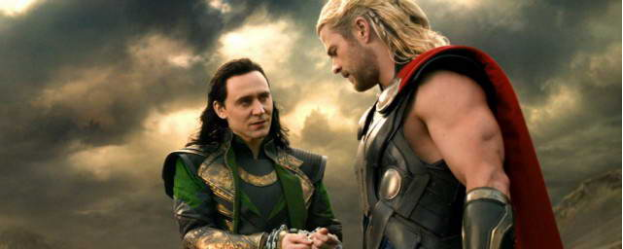
The Complex Dynamics of Thor and Loki’s Brotherhood
At the very heart of the Marvel Cinematic Universe lies a Shakespearean tragedy wrapped in a superhero narrative: the deeply fractured, yet inextricably linked brotherhood of Thor and Loki. Raised together in the golden halls of Asgard under the imposing shadow of the Allfather, Odin, their relationship is a masterclass in emotional dichotomy. Thor, the golden child destined for the throne, and Loki, the adopted Frost Giant burdened by an agonizing inferiority complex, represent two sides of the same royal coin. Their dynamic is not merely a tale of a hero and a villain, but rather a profoundly moving brotherly love letter written with the ink of betrayal.
A Legacy of Betrayal and Forgiveness
The cycle of deceit and forgiveness between the two princes is the defining engine of their character arcs. Loki’s repeated betrayals are rarely born of pure malice; instead, they stem from a desperate, twisted yearning for validation and equality. Conversely, Thor’s seemingly infinite capacity to forgive his brother highlights a foundational aspect of his heroism. It is a testament to an enduring, unconditional love that refuses to be entirely extinguished, even when Loki orchestrates planetary invasions or fakes his own death.
- The Illusion of Superiority: Loki’s initial betrayals were designed to prove his worthiness to a father who favored brawn over magic, utilizing deception as his primary weapon against Thor’s brute strength.
- The Tragedy of Misunderstanding: Thor’s early arrogance blinded him to Loki’s internal suffering, making Thor unwittingly complicit in the creation of his own greatest adversary.
- The Anchor of Blood (and Bond): Despite discovering they are not blood relatives, Thor consistently refers to Loki as his brother, enforcing a familial bond that transcends genetic lineage and biological truth.

The Evolution of the Odinson Brothers Through Adversity
As the universe expanded and the threats grew increasingly existential, the petty squabbles of the Asgardian princes were forced to evolve. The destruction of their home, the loss of their parents, and the looming shadow of universal annihilation stripped away the royal pretenses, leaving only two battered brothers relying on one another for survival. This evolution transformed their relationship from a toxic rivalry into a poignant partnership forged in the fires of shared trauma.
Shared Trauma and Unlikely Alliances
When confronted by forces that threatened the very fabric of their reality—such as the Dark Elves, their estranged sister Hela, and ultimately the Mad Titan, Thanos—Thor and Loki were repeatedly forced into reluctant alliances. These team-ups served as crucial narrative vehicles, allowing the audience to witness the unspoken synchronization between them. They fought seamlessly side-by-side, their contrasting combat styles complementing one another perfectly, visually representing the harmony that could exist if they abandoned their feud.
| Threat Encountered | Loki’s Response | Thor’s Response | Relational Outcome |
|---|---|---|---|
| Malekith (The Dark Elves) | Fakes his death to usurp the throne. | Mourns deeply, believing his brother died a hero. | A temporary deepening of Thor’s grief, masking Loki’s ultimate betrayal. |
| Hela (Goddess of Death) | Initially flees, but ultimately returns to save the Asgardian refugees. | Relies on Loki’s cunning to trigger Ragnarok and defeat Hela. | A genuine reconciliation; they stand together as leaders of their surviving people. |

The Ultimate Sacrifice: Loki’s Redemption Arc
The culmination of the Thor and Loki saga is etched in the tragic opening moments of Avengers: Infinity War. Here, the brotherly love letter reaches its devastating conclusion. Faced with the unstoppable force of Thanos, Loki ceases his endless machinations. He does not flee, nor does he strike a self-serving bargain. Instead, he boldly reclaims his identity as “Odinson” and sacrifices his own life in a desperate bid to save Thor. This singular act of pure selflessness retroactively recontextualizes their entire history.
“The Sun Will Shine on Us Again”
Loki’s final words to Thor are not just a poignant farewell; they are a prophetic promise of enduring love. By dying for Thor, Loki proves that beneath the layers of resentment, jealousy, and betrayal, his love for his brother was the most powerful force within him. This sacrifice shatters Thor, leaving him with a profound sense of survivor’s guilt, but it also solidifies Loki’s legacy not as the God of Mischief, but as a savior of Asgard.
The psychological impact of this loss on Thor cannot be overstated. Without the counterbalance of his brother, Thor spirals into a deep depression, feeling untethered in a universe that has systematically stripped him of his entire family. Loki’s death acts as the catalyst for Thor’s darkest era, proving that their bond was the foundational pillar of Thor’s sanity.

Thor and Frigga: A Transcendent Maternal Bond
While Thor’s relationship with Loki is defined by conflict, his relationship with his mother, Frigga, is defined by unconditional grace. Frigga served as the emotional anchor of the royal family, possessing a profound emotional intelligence that balanced Odin’s harsh militarism. She saw past the bravado of her golden son and the bitterness of her adopted one, loving them both with a fierce, unwavering devotion. The bond between Thor and Frigga transcends the boundaries of life, death, and even time itself.
The Anchor of Asgard: Frigga’s Influence on Thor
Frigga was the silent architect of Thor’s humanity. While Odin taught Thor how to be a warrior and a king, Frigga taught him how to be compassionate. Her influence is the reason Thor is capable of the immense empathy he displays throughout his journey. Her tragic death in Thor: The Dark World left a gaping wound in Thor’s heart, one that never truly healed until the unprecedented events of the Time Heist.
- Nurturing Empathy: Frigga consistently reminded Thor of the value of life beyond the battlefield, tempering his aggressive instincts with maternal wisdom.
- Seeing the Unseen: Raised by witches, Frigga possessed a literal and metaphorical sight that allowed her to understand the true emotional states of her sons, never judging them for their failures.
- The Bridge Between Brothers: She was the only entity capable of maintaining a connection with Loki during his imprisonment, serving as the fragile connective tissue holding the fractured family together.

Reunion Beyond Time and Death
One of the most emotionally resonant sequences in modern cinema occurs during Avengers: Endgame, when a broken, depressed, and physically altered Thor travels back to Asgard in 2013 and encounters his mother on the day of her death. This transcendent bond proves its power instantly. Frigga does not need magic to recognize that the man standing before her is her son from a tragic future; a mother’s intuition pierces through the veil of time and physical transformation.
Healing Through Unconditional Acceptance
Thor approaches this reunion burdened by five years of perceived failure. He is drowning in self-loathing, convinced that his inability to stop Thanos makes him unworthy of his life, his title, and his hammer. Frigga’s reaction is a masterclass in maternal love. She does not chastise his appearance or his failures. Instead, she delivers the exact wisdom he needs to survive his psychological torment.
By telling Thor, “Everyone fails at who they’re supposed to be. The measure of a person, of a hero, is how well they succeed at being who they are,” Frigga liberates him from the suffocating expectations of the Asgardian throne. She grants him the permission to be flawed, to be hurt, and most importantly, to heal. This heartfelt reunion beyond life and death is the exact moment Thor begins to reclaim his heroic spirit.

How Familial Love Shapes Thor’s Heroic Journey
To understand Thor Odinson is to understand the ghosts that walk beside him. His entire narrative arc is a testament to the fact that true strength is not derived from magical hammers or divine lightning, but from the capacity to endure catastrophic loss and still choose to protect the vulnerable. The lessons imparted by Loki’s tragic betrayal-turned-sacrifice and Frigga’s boundless, transcendent love have synthesized to create a hero of unparalleled depth.
Vulnerability as a Source of Strength
Thor’s journey dismantles the toxic trope of the stoic, unfeeling warrior. By openly weeping for his brother and seeking comfort in the arms of his mother across the boundaries of time, Thor proves that vulnerability is an asset, not a liability. The memories of his family act as both his greatest sorrow and his ultimate motivation. He fights not for glory, as he did in his youth, but to honor the sacrifices of those he loved.
Ultimately, the brotherly love letter written with betrayal and the transcendent reunion with a mother beyond death are the twin pillars of Thor’s soul. They remind audiences that even gods are defined by their families, and that love—in all its messy, painful, and glorious forms—is the only force truly capable of saving the universe.
Frequently Asked Questions (FAQ)
- How did Loki’s constant betrayals actually strengthen Thor’s character?
- Loki’s betrayals continually tested Thor’s capacity for forgiveness and empathy. By refusing to give up on his brother, Thor shed his early arrogance and developed the emotional maturity required of a true leader. Loki’s actions forced Thor to look beyond the surface of conflict and understand the pain driving his enemies.
- Why is Thor’s reunion with Frigga in Avengers: Endgame considered a turning point?
- Before encountering Frigga, Thor was paralyzed by his failure to stop Thanos, suffering from severe PTSD and depression. Frigga’s unconditional acceptance and her profound advice relieved Thor of the burden of perfection. It allowed him to accept his current, flawed self, which was symbolically validated when Mjolnir still answered his call.
- Did Loki genuinely love Thor, or was his sacrifice purely circumstantial?
- Loki genuinely loved Thor. While his inferiority complex and desire for the throne clouded his actions for centuries, his final decision to attack Thanos—knowing it meant certain death—was driven by an ultimate desire to save his brother’s life, proving that familial love superseded his ambition.
- How does Frigga’s parenting style contrast with Odin’s in the MCU?
- Odin’s parenting was highly conditional, militaristic, and focused on duty, power, and the throne. He pitted his sons against one another. Frigga, however, parented with empathy, emotional intelligence, and unconditional support. She nurtured Loki’s magic when Odin dismissed it, and she nurtured Thor’s heart when Odin only saw a weapon.